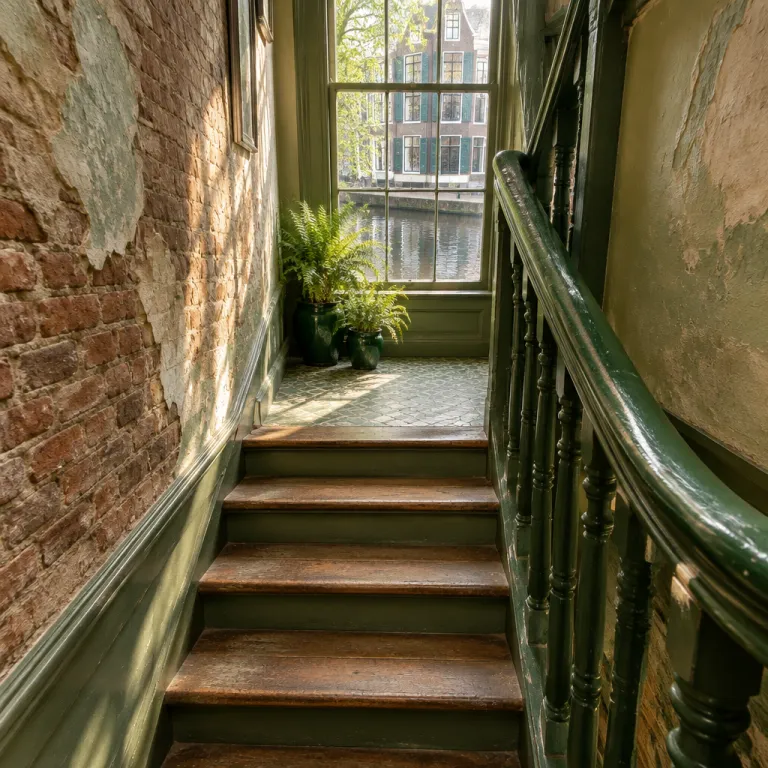
Choosing a canal house hotel in Amsterdam for character, not convenience
Every traditional canal-side hotel in Amsterdam asks the same question of you. Are you willing to trade a conventional lift and wide corridor for a 300-year-old townhouse with a staircase that feels almost theatrical? The answer shapes your entire stay in Amsterdam Netherlands, especially for couples seeking romance rather than routine.
Historic canal houses along each canal were once taxed by width, which is why the house front is narrow, the staircases are steep, and the rooms are often irregular yet atmospheric. Many of these buildings date from the Dutch Golden Age of the 17th and early 18th centuries, and city preservation rules now protect their façades and main structures. Under Amsterdam’s municipal monument guidelines, owners of listed properties must retain the original street-facing appearance and key structural elements. Today, any luxury hotel Amsterdam opening in the centre must adapt an existing property rather than build new, so every serious Amsterdam hotel conversion is a negotiation between heritage regulations and modern comfort. When you book a canal house hotel in Amsterdam Netherlands, you are not just reserving a room, you are buying into that architectural story for each night.
For many guests, the reward is the canal view from a double room that feels more like a private residence than a standard hotel. You might climb two flights to reach a compact room with a generous bed, original beams, and a flat screen discreetly mounted opposite the window. In some townhouses, that means around 30–40 narrow steps from street level to a second- or third-floor room. The best townhouse hotel addresses turn these constraints into an advantage, using clever room amenities and thoughtful services to make the steep ascent feel like part of the experience rather than a flaw. One guest at a small house Amsterdam property described it simply: “The stairs were a workout, but watching the canal wake up from our window made every step worth it.”
Architecture, staircases and how Amsterdam’s canal houses became hotels
Walk along Keizersgracht or Herengracht and you see the logic behind every canal house hotel in Amsterdam. The façades are slim, the gables carry pulleys, and the house doors open directly onto staircases designed for hoisting furniture rather than rolling suitcases. That original design still shapes how each hotel Amsterdam operates today, from luggage handling to room type allocation.
Most canal houses in Amsterdam are around three centuries old, and preservation rules mean owners must respect original structures while integrating modern room amenities and safety systems. That is why you will often find an electric kettle and a flat screen television tucked beneath a sloping roof, or a compact bathroom carved from what was once a storage alcove. The property owners and staff work with local artisans to maintain beams, stair treads and canal-facing windows, while advanced booking systems help guests check availability for specific rooms that match their mobility needs. Amsterdam’s municipal guidelines typically require that visible changes to historic fronts are minimal, so much of the adaptation happens inside the existing shell.
Some of the most admired addresses, such as the Ambassade Hotel or The Toren, lean into these quirks rather than hiding them behind drywall. A typical canal-side property might combine four or five adjoining houses into a single boutique hotel, resulting in around 30–60 individually shaped rooms connected by short internal corridors and half-landings. You will notice how a double room might have a slightly uneven floor yet offer a perfect canal view and generous bed linens that feel unmistakably premium. If you are curious about how Amsterdam hospitality has evolved beyond canal houses into larger art-focused properties, the story of the WestCord Art Hotel and its long-standing role in the city’s hotel scene is a useful counterpoint to these intimate house Amsterdam conversions, and you can explore that evolution in more depth through this detailed look at a quarter century of Amsterdam hospitality.
Character versus comfort: how to read room types and layouts
Booking a canal house hotel in Amsterdam is not like choosing a standard chain property near an airport. No two rooms are identical, even within the same room type, and the floor you choose can change your stay as much as the view. Before you confirm your dates, take time to check which floor, orientation and staircase configuration you are accepting.
For couples, a double room facing the canal often feels like the obvious choice, but it may involve climbing several steep flights with luggage. If you or your partner have any mobility concerns, ask the front desk for a lower floor room or one near any available lift, and request precise information about stair widths and handrails. Many Amsterdam hotel teams are candid about these constraints, because they know that informed guests are happier guests and more likely to appreciate the property’s history.
In the historic centre, you will find house Amsterdam conversions where the bed is placed almost against a window to maximise the canal view, and others where the room stretches lengthwise with a small seating area and a flat screen at the far end. A typical compact double might measure 14–18 square metres, while larger canal-facing rooms can reach 22–28 square metres with space for a sofa or writing desk. Some couples prefer a compact but atmospheric room with exposed beams, while others value a more regular layout with generous storage and a large bathroom. If you are considering elegant hotels in De Wallen or nearby districts, remember that canal houses there follow the same structural logic, so the same trade-offs between character and convenience apply across multiple neighbourhoods.
Service, safety and what to expect from historic house hotels
Once you have accepted the staircase, the next question is whether the service matches the setting. A serious canal house hotel in Amsterdam understands that guests are paying for both architecture and attentive services, from the 24-hour front desk presence to thoughtful room service options. You should expect staff who can carry luggage up narrow stairs, arrange taxis at odd hours and explain the quirks of your specific room without fuss.
Health and safety standards have become more visible in recent years, and many historic properties now highlight how guests are provided with hand sanitizer at entrances and in public areas. Some also offer contactless check-in and check-out, and you may still see masks guests choose to wear in busy lobbies or during service hour peaks. These measures sit alongside traditional hospitality gestures, such as a welcome drink in the lounge or a small plate of local sweets waiting in your room.
Room amenities in a well-run house hotel usually include an electric kettle for tea, a coffee setup, a flat screen with international channels and reliable Wi-Fi, even when the building dates back centuries. When you check availability online, look for clear descriptions of whether breakfast is included, whether there is a restaurant on site, and how late room service operates each night. If you are comparing with contemporary brands such as Max Brown, pay attention to how each property balances design, service and practicality within the constraints of Amsterdam Netherlands heritage regulations.
Breakfast, canalside life and when the steep staircase is worth it
The moment that usually justifies the climb in any canal house hotel in Amsterdam comes early. You wake to the sound of bicycles on cobblestones, walk down to breakfast, and then return to a room flooded with soft canal light. That combination of local rhythm and private comfort is difficult to replicate in a larger modern property.
Breakfast itself is a quiet test of quality in every hotel Amsterdam, especially in historic houses where space is tight and service hour windows are short. Some properties offer a compact but carefully curated spread, while others partner with a nearby restaurant to provide a more elaborate meal. A typical canalside breakfast room might seat only 20–30 guests at once, which is why timed slots and short service windows are common. If you care deeply about this ritual, a detailed guide to breakfast at Amsterdam hotels can help you read between the lines of marketing language and understand what a property really offers before you check availability.
During the day, the canal outside your house hotel becomes an extension of your living room, with boats gliding past and neighbours going about their routines. At night, returning up the staircase feels different, because you are climbing back into a private world that belongs to only a handful of rooms rather than hundreds of guests. For many couples, that sense of intimacy, combined with attentive staff and well-judged room amenities, is exactly what makes a canal house in Amsterdam Netherlands worth the effort of every step.
Practical tips for booking and staying in a canal house hotel
To make the most of a canal house hotel in Amsterdam, start planning before you even choose your dates. Pack light, because narrow staircases and compact rooms reward guests who travel with smaller suitcases rather than oversized trunks. When you check availability, use the notes field or contact the front desk directly to explain any mobility needs or preferences for canal view versus courtyard view.
Ask specific questions about the property, such as whether there is a lift, how many steps lead to your preferred room type, and whether staff can assist with luggage at any hour front desk is staffed. Clarify whether breakfast is included in the rate, what kind of restaurant partnerships exist nearby, and how late room service operates each night. If you are sensitive to noise, request a room at the back of the house rather than directly over a lively canal, and confirm whether the windows are double glazed.
For health-conscious travellers, it is reasonable to ask how guests are provided with hand sanitizer, whether contactless check-in is available, and what cleaning protocols apply between stays. The most transparent Amsterdam hotel teams answer these questions clearly, echoing the practical advice that “Are canal-house hotels accessible for people with mobility issues? Many have steep stairs; inquire about accessibility options.” and “What amenities do canal-house hotels offer? Modern comforts like Wi-Fi, en-suite bathrooms, and breakfast.” and “Why are the staircases in canal houses so steep? Historic design due to limited space and tax regulations.” When you find a house Amsterdam property where the staff respond with the same mix of honesty and warmth you feel in the architecture, you have likely found a place where the steep staircase will feel not just acceptable, but essential to the story of your stay.
FAQ
Are canal house hotels in Amsterdam suitable for guests with limited mobility ?
Many canal house hotels in Amsterdam have steep, narrow staircases and limited lift access, which can be challenging for guests with reduced mobility. Before booking, contact the front desk to ask about specific room locations, number of steps and any available assistance with luggage. If accessibility is a priority, request a lower floor room or consider a property with confirmed elevator access and wider corridors.
What room amenities can I expect in a historic canal house hotel ?
Despite their age, most canal house hotels in Amsterdam Netherlands offer modern room amenities such as Wi-Fi, a flat screen television, an electric kettle or coffee setup and en suite bathrooms. Higher category rooms may add larger beds, seating areas and upgraded toiletries. Always check availability details and room descriptions carefully, because layouts and features can vary significantly between rooms in the same property.
Is a canal view worth paying extra for in Amsterdam ?
A genuine canal view often transforms a compact room into a memorable space, especially for couples spending time in the room during the day or evening. You will see boats, changing light and everyday Amsterdam life unfolding directly outside your window. If budget allows, many guests find that paying more for a canal-facing double room delivers better value than upgrading to a larger interior room without that outlook.
How early should I book a canal house hotel for peak travel periods ?
Canal house hotels typically have fewer rooms than larger properties, so they fill quickly during popular travel periods. To secure your preferred room type and view, it is wise to check availability several months in advance, especially for weekends and holidays. Flexible dates can help, but last-minute options in the most desirable canalside locations are often limited.
Do canal house hotels usually include breakfast in the room rate ?
Policies vary by property, but many canal house hotels in Amsterdam either include breakfast in the rate or offer it as an add-on. Because dining rooms are often small, some hotels operate fixed service hour windows or timed seatings. Review the breakfast details when you book and, if it matters to you, choose a property whose morning offering matches your expectations for quality and atmosphere.