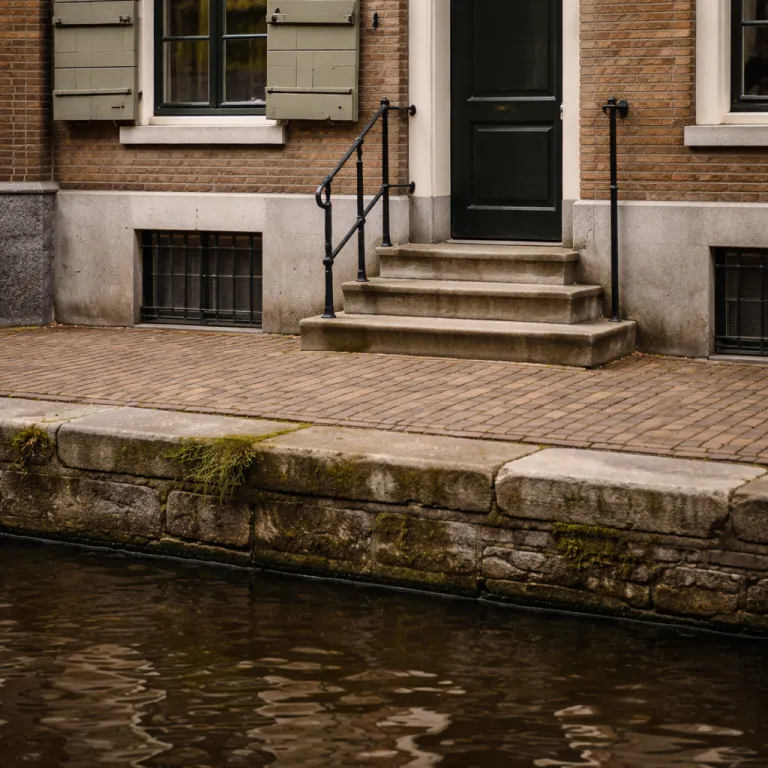
Herengracht as a UNESCO stage for luxury stays
Herengracht is not just another canal in Amsterdam; it is the backbone of the seventeenth‑century canal ring that UNESCO protects. When you choose a luxury hotel on Herengracht in Amsterdam, you are effectively booking a front‑row seat inside this World Heritage urban theatre, where every canal house façade and almost every brick is regulated. A stay in a canal house here means your hotel room sits within a protected monument, and that status shapes everything from the height of your ceiling to the angle of your canal view.
UNESCO recognition means strict preservation rules for any hotel that operates on this canal, especially around façades, window proportions, and original staircases. Operators cannot simply knock through walls to create vast hotel rooms, so the best places on Herengracht work with the existing canal house structure, creating a patchwork of unique rooms instead of standardized floor plates. When you book a room, you are stepping into a layered history where Golden Age merchants once stayed, and where renovation choices are negotiated with heritage authorities rather than driven only by nightly rate or brand guidelines.
For guests, this translates into a very specific kind of luxury stay in Amsterdam, one that values character over uniformity and context over spectacle. You may walk into a view room with slightly uneven floors, yet the sightlines across the water towards neighbouring canals feel irreplaceable. Couples who love Amsterdam for its cultural depth will find that a Herengracht hotel offers not just a comfortable bed and refined service, but also a rare chance to sleep inside the heart Amsterdam has presented to the world for centuries.
From Waldorf Astoria to Ambassade: reading the canal house map
Only a handful of properties can honestly claim to be a true Herengracht luxury address, and understanding their locations helps you choose the right stay. Waldorf Astoria Amsterdam occupies a sequence of adjoining canal houses on the eastern curve of the canal, a run of former patrician residences that now hide a calm garden and some of the city’s most discreet hotel rooms. A short walk north, Ambassade Hotel stretches across a cluster of original canal houses, its warren of corridors and staircases reflecting the way merchants once expanded sideways along the canal rather than upwards.
These hotels sit directly on the main waterway, which matters when you compare them with properties that market a “canal view” while actually facing a rear waterway or a side street. A true canal room on Herengracht will look onto the principal canal itself, with views of gabled canal houses across the water and boats sliding past at walking pace. When a site or booking platform lists canal views, check the map carefully; if the pin is one or two streets back, you are canal adjacent rather than canal front, which changes both the view and the atmosphere of your stay.
The Hoxton, Amsterdam, on Herengracht, plays a different note, blending mid‑century interiors with the bones of several old canal houses and attracting a younger, party‑inclined crowd to its lobby. For couples seeking quieter romance, the more residential stretch around Ambassade Hotel often feels like the perfect place, with Nine Streets just behind and the Jordaan a short walk away. To understand how these addresses fit into the broader luxury landscape, it is worth reading about how neighbourhoods like Jordaan and De Pijp have become a luxury hotel story in their own right on this in‑depth guide to Amsterdam’s evolving high‑end districts.
What UNESCO rules mean inside your room
Staying in a Herengracht canal‑house hotel means accepting that the building’s past will shape your present comfort in subtle ways. Because many canal houses are narrow and deep, some hotel rooms will be long and slender, with windows only at one end and a canal view reserved for a few privileged categories. Other rooms sit towards the rear, trading direct canal views for quieter outlooks over inner gardens or neighbouring roofs, which can be a blessing if you prefer silence to spectacle.
Preservation rules often limit how much a hotel can alter staircases, beams, and original ornamentation, so you may find slightly low ceilings or a step up into your bathroom where the old floor levels meet new plumbing. Elevators are usually retrofitted into light wells or former service spaces, which explains why some properties still require a short walk up or down a few stairs even after you leave the lift. When you read guest reviews that mention quirky layouts or that someone stayed in a room with a sloping floor, this is usually the heritage talking rather than a lack of investment or care.
On the upside, these constraints encourage hoteliers to focus on tactile comfort where they can control it, from a genuinely comfortable bed to high‑thread‑count linens and thoughtful lighting. Breakfast rooms often occupy former salons at the front of the canal house, so you can enjoy a slow breakfast while watching cyclists glide along the canal and boats idle at the quay. Families or couples who want heritage with practical comforts should look at properties that “actually get it right” for different travel parties, such as those highlighted in this guide to family‑friendly luxury in Amsterdam, then cross‑reference which of them sit directly on Herengracht.
Choosing your view: canal front, canal side, or canal adjacent
When you book a Herengracht luxury hotel in Amsterdam, the phrase “canal view” deserves close reading, because not all views are created equal. A true canal‑front view room faces Herengracht itself, usually from the piano nobile level, with tall windows framing the water, the opposite canal houses, and the slow choreography of boats and bicycles. These rooms are often the first to sell, and their stay price reflects both the scarcity of such views and the preservation costs that come with maintaining historic window frames and façades.
Some hotels also offer canal‑side or rear‑canal views, where your room overlooks a secondary waterway or a side canal that intersects with Herengracht, which can still feel atmospheric but slightly less cinematic. Canal‑adjacent rooms sit one building back or face a courtyard, so while you can walk to the canal in seconds, you will not wake up to water outside your window. If you love Amsterdam for its waterline and want that emotional connection, it is worth emailing the hotel directly to clarify whether your canal room is front‑facing, side‑facing, or simply near the canal, and to request wording such as “guaranteed front canal view on Herengracht, not courtyard or side street.”
Noise is the other variable that couples often underestimate when they plan a romantic stay. A front canal view can bring the soft clink of boat parties, the occasional late‑night shout, and early‑morning delivery vans along the quay. Rear‑facing hotel rooms may lack the postcard view, yet they can be the perfect place to sleep deeply after a long walk through the heart Amsterdam, especially if you plan to explore late‑night brasserie culture or attend a private party in the city’s brown cafés.
Living the canal ring: culture, cafés, and practical logistics
Part of the pleasure of a Herengracht luxury stay is how it situates you within walking distance of the city’s cultural spine. From most addresses along the canal, you can walk to the Nine Streets in minutes, then continue towards Anne Frank House, Westerkerk, and the Jordaan without ever leaving the canal ring. This is where the phrase “perfect location” stops being marketing and becomes a lived reality, especially for couples who want to explore on foot rather than rely on trams from Centraal Station.
Herengracht curves through the historic centre and holds hundreds of canal houses, so the exact position of your hotel along this arc changes your daily rhythm. Southern stretches near Waldorf Astoria Amsterdam place you closer to the Museum Quarter and the high‑end shopping of Pieter Cornelisz Hooftstraat, while the central cluster around Ambassade Hotel leans into literary cafés, galleries, and the layered streets of the inner canal ring. Wherever you stay, you will find that the canal itself becomes your reference point, a quiet axis you return to after each foray into busier parts of Amsterdam.
Logistically, most couples arrive via Amsterdam Centraal Station, then take a short taxi or tram ride into the canal ring, which keeps transfers simple even after a long flight. Many Herengracht hotels offer luggage assistance and can arrange private transfers, but the distances are compact enough that you can amsterdam enjoy the walk if the weather cooperates. If step‑free access matters, it is worth emailing ahead to ask whether there is an elevator to all floors and how many internal steps remain between lift and room. For a deeper sense of how historic properties across the city balance heritage and modern expectations, including those outside the canal ring, it is worth reading about a reimagined school building in De Pijp on this feature on a 125‑year legacy reinvented for modern travellers.
FAQ
What is Herengracht and why does it matter for hotel guests ?
Herengracht is a historic canal in Amsterdam's UNESCO‑listed canal ring, lined with seventeenth‑century canal houses that once belonged to wealthy merchants. For hotel guests, staying on Herengracht means sleeping inside this protected urban landscape, where façades, windows, and many interior features are preserved under strict rules. As one official description puts it, “What is Herengracht? A historic canal in Amsterdam's UNESCO-listed canal ring.”
Why stay on Herengracht instead of a nearby neighbourhood ?
Choosing a luxury hotel on Herengracht places you directly on the water, within walking distance of Nine Streets, Jordaan, and major cultural sites. The atmosphere is more residential and architectural than in some nightlife‑heavy districts, which suits couples seeking quiet romance rather than a party‑focused stay. You trade some modern conveniences, like uniform room layouts, for the authenticity of a canal house and immediate access to the heart Amsterdam.
How do preservation rules affect the comfort of my room ?
Preservation rules limit how much a hotel can alter the structure of a canal house, so rooms may have lower ceilings, quirky shapes, or a few internal steps. Elevators are often retrofitted, which can mean short stair segments between lift landings and your room. In compensation, hotels invest heavily in soft comforts such as a comfortable bed, high‑quality linens, and carefully designed lighting to ensure a luxurious stay.
Are all “canal view” rooms on Herengracht the same ?
No, canal views vary significantly, even within the same property. Some rooms face Herengracht directly with sweeping canal views, others look onto side canals or rear waterways, and some are simply near the canal without a water view. It is worth asking the hotel whether your booked category is a front‑facing canal room, a side‑view room, or a quieter courtyard option.
What attractions are close to Herengracht for a short stay ?
From most Herengracht addresses you can walk to the Nine Streets, Anne Frank House, Westerkerk, and the Jordaan in under twenty minutes. The Museum Quarter and major art institutions are a longer but still manageable walk or a short tram ride away. This concentration of cultural sites makes a Herengracht luxury hotel in Amsterdam a strong base for couples who want to explore intensively over a two or three night stay.