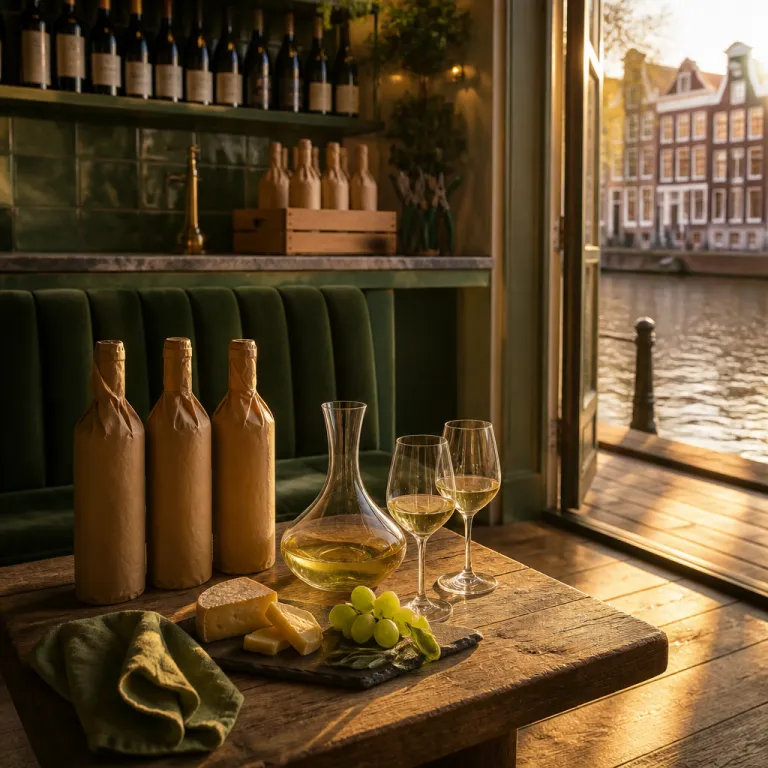
Why an Amsterdam hotel wine sommelier matters for your stay
Amsterdam is not a traditional wine country capital, yet the city has quietly become a serious stage for ambitious sommeliers. In the central Amsterdam districts where canals curve past gabled mansions, the right luxury hotel turns a simple glass into a full wine experience that feels both local and global. When you choose a hotel with a strong wine program, your stay gains an extra layer of meaning, because every dining experience becomes a curated moment rather than a routine meal.
For business leisure travelers extending a work trip, the Amsterdam hotel wine sommelier often sets the tone for the evening, guiding you from a first glass at the bar to a structured wine pairing at the restaurant table. These wine professionals understand that you may arrive from a long day of meetings, so they shape experiences that balance efficiency, genuine hospitality and a sense of place in the city. A skilled, certified sommelier will read your schedule as carefully as your palate, suggesting whether a quick blind tasting flight or a lingering fine dining experience best suits your day.
The Netherlands produces modest volumes of wine, yet the best sommelier teams in Amsterdam hotels treat that limitation as an advantage. They build wine lists that highlight Dutch and Low Country producers alongside benchmark regions, turning each dining experience into a quiet masterclass in European terroir. When you book a luxury hotel with a serious wine service culture, you are not just reserving a room; you are securing access to knowledgeable sommeliers, thoughtful wine pairings and venues where every moment at the table feels intentionally designed.
Where Dutch and Low-Country wines shine in luxury hotel dining rooms
Some of the most compelling wine experiences in the city unfold behind discreet revolving doors and marble lobbies, where the Amsterdam hotel wine sommelier has reimagined what a hotel cellar can be. At Hotel Okura Amsterdam, the wine program supports Ciel Bleu’s two Michelin stars with a cellar that ranges from classic Bordeaux to unexpected Dutch Pinot Noir from Limburg. Public information from the hotel and St. Martinus Winery notes a collaborative sparkling wine, Cuvée Okura, which anchors a broader list celebrating regional producers; guests should confirm current vintages, exact roles and availability directly with the property.
Across the canal at De L’Europe Amsterdam, head sommelier Antonello Nicastri oversees selections for Flore, where fine dining leans into circular gastronomy and low-intervention bottles from the Low Countries. His team of sommeliers uses wine pairings to echo the kitchen’s philosophy, often pouring Belgian natural wine from producers such as Domaine du Chenoy or Vin de Liège alongside more familiar French labels. A guest might move from a glass of taut Limburg sparkling wine to a textured Loire Chenin, each pour chosen to show how food and wine dialogues can feel both precise and relaxed.
The Dylan Amsterdam offers a different rhythm, with sommelier Jasper van Amerongen managing wine programs that include the High Wine ritual at OCCO, ideal for a late afternoon moment between meetings and dinner. This format suits travelers who want structured dining experiences without the full formality of a multi-course fine dining evening, yet still expect best-in-class wine service. For a deeper look at how these properties integrate gastronomy into the overall stay, the guide on elevating your Amsterdam stay with fine dining hotel insights provides useful context when comparing venues.
How sommeliers curate wine lists that feel distinctly Amsterdam
Because the Netherlands is not dominated by legacy wine regions, the typical Amsterdam hotel wine sommelier works with unusual freedom when building a wine list. Instead of following rigid hierarchies, they can place a Limburg Auxerrois beside a Burgundy Chardonnay, or a Belgian pét-nat next to Champagne, inviting guests to compare styles without prejudice. This approach turns the wine program into a living classroom, where each glass offers a chance to reassess what you think you know about European wine.
At Vinkeles in The Dylan, the sommelier team weaves Dutch and Low Country bottles into a list that still satisfies guests seeking grand cru labels, so the experience never feels didactic. A master sommelier or certified sommelier might suggest a blind tasting of three cool-climate Pinot Noirs, including one from Limburg, to show how local vineyards now stand confidently beside more established regions. As one Amsterdam-based wine director described it during a recent service, “You taste the same grape, but the city’s cool, maritime light in the glass feels completely different from Burgundy’s.”
Many luxury hotel venues now treat wine pairings as the default rather than an optional extra, especially for tasting menus that emphasize food-and-wine harmony. Sommeliers will often design parallel wine experiences, one classic and one focused on organic or biodynamic Low Country producers, allowing you to choose the narrative that best suits your stay. For travelers who prioritize gastronomy when booking, our guide to Amsterdam hotels with fine dining helps identify which properties align with your preferred style of dining experiences.
Designing your stay around wine experiences in the heart Amsterdam
Planning a stay in the heart Amsterdam with wine at the center starts with choosing a luxury hotel where the sommelier team is visible, confident and accessible. Look for venues that host regular wine tastings, offer structured wine pairing menus and maintain close partnerships with Dutch and Belgian producers. When a hotel invests in these experiences, you can safely assume that wine service in both the bar and restaurant will meet the expectations of demanding business leisure travelers.
On a typical day, you might begin with a morning swim before meetings, then return to the hotel for a pre-dinner glass guided by the head sommelier. Properties that combine strong wellness facilities with serious wine programs allow you to balance work, relaxation and gastronomy without leaving the building, and resources such as this overview of Amsterdam hotels with rooftop pools and morning laps can help you shortlist options. From there, you can ask the sommelier which evenings feature special wine experiences, such as a Court of Master Sommeliers–style seminar or a focused tasting of Low Country sparkling wines.
When booking, pay attention to how the hotel describes its dining experiences, because precise language often signals a serious wine culture. References to a dedicated wine room, a master-sommelier-led program or collaborations with specific vineyards usually indicate that the property treats wine as a core part of the guest experience rather than a side note. If the reservation team can immediately connect you with a sommelier to discuss dietary needs and wine pairings, that is a strong sign of genuine hospitality and a service culture built around thoughtful detail.
Practical tips for working with your hotel sommelier
Once you have checked into a luxury hotel with a strong wine program, the next step is to use the Amsterdam hotel wine sommelier as a strategic ally. Begin with a short conversation at the bar or restaurant table, sharing how much time you have, your budget and the kind of dining experience you want that day. A good sommelier will translate this into a tailored plan, whether that means a concise flight of three glasses or a full evening of wine pairings across several courses.
Do not hesitate to ask specifically about Dutch and Low Country bottles, because many sommeliers are eager to pour these wines yet wait for a signal from the guest. You might say that you want one classic benchmark and one regional wine with each course, allowing the certified sommelier to show how local producers stand beside international names. Hotels like Hotel Okura Amsterdam and The Dylan Amsterdam offer local wine tastings, which can be an efficient way to sample several styles in a single moment without committing to full bottles.
For travelers who enjoy structure, consider requesting a mini blind tasting focused on a single grape or region, guided by the head sommelier or a member of a Court of Master Sommeliers–trained team. This format turns an ordinary evening into a compact masterclass, while still leaving space for conversation and relaxation after a long day in the city. What is Cuvée Okura? Cuvée Okura is a hotel-branded sparkling wine created by Hotel Okura Amsterdam in collaboration with St. Martinus Winery; guests should verify current vintages and availability with the property, as offerings can evolve over time.
FAQ
Which hotels in Amsterdam offer local wine tastings?
Several leading luxury hotels in the city now integrate Dutch and Low Country wines into structured tastings hosted by their sommeliers. Hotels like Hotel Okura Amsterdam and The Dylan Amsterdam offer local wine tastings, often featuring Limburg producers and Belgian natural wine alongside classic regions. When booking, ask the hotel whether these experiences run daily or only on specific days, so you can align your stay with the most relevant venues and formats.
How do Amsterdam hotel sommeliers support regional wine producers?
Many sommelier teams curate wine lists that give Dutch and Low Country bottles prominent placement rather than relegating them to a novelty section. They collaborate directly with vineyards such as St. Martinus, organize blind tasting events and design wine pairings that highlight how local wines perform with fine dining menus. This approach not only enriches the guest experience but also supports a growing regional wine industry; figures on the exact number of Dutch wineries vary by source and year, so travelers interested in current statistics should consult the latest data from organizations such as the Dutch Wine Association.
What is special about Cuvée Okura in the context of hotel wine programs?
Cuvée Okura is a hotel-branded sparkling wine created through a partnership between Hotel Okura Amsterdam and St. Martinus Winery in Limburg. It exemplifies how a luxury hotel can move beyond simply listing regional wines to actively shaping their production and style. When a property invests at this level, it signals a deep commitment to wine service and gives guests a distinctive glass that they will not easily find elsewhere in the city.
How can I make the most of a hotel wine experience during a short business stay?
If your time in Amsterdam is limited, focus on one or two targeted dining experiences rather than trying to sample everything. Reserve a tasting menu with wine pairings at a hotel restaurant known for its sommelier team, and add a shorter High Wine or bar tasting on another day. Communicate your schedule and preferences in advance, so the sommelier can design a wine experience that fits neatly between meetings while still feeling relaxed and memorable.
Are Dutch wines suitable for serious food and wine pairing menus?
Modern Dutch wines, particularly from cooler regions such as Limburg, often show bright acidity and moderate alcohol, which makes them well suited to contemporary fine dining. Amsterdam hotel sommeliers increasingly use these bottles in food-and-wine pairings, especially with seafood, vegetables and lighter courses. When you signal interest in regional wines, you give the sommelier permission to build a wine experience that reflects both the city and the broader Low Country landscape.