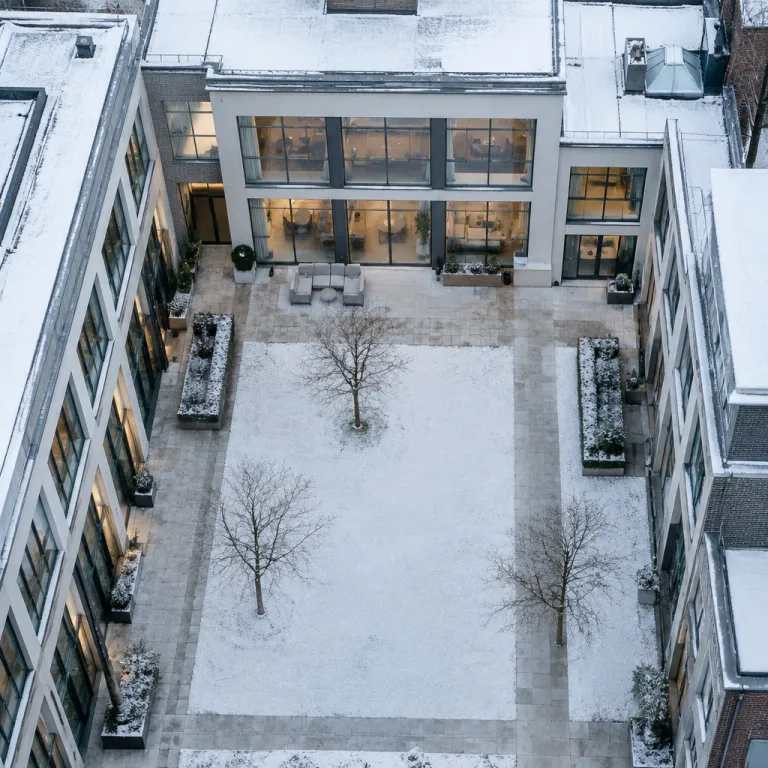
Amsterdam hotel atrium courtyard winter design as a state of mind
In Amsterdam, winter shortens the day to barely eight hours of usable light. For any Amsterdam hotel that takes architecture seriously, the response is not brighter bulbs but a complete winter-ready atrium and courtyard lighting strategy. Guests feel the difference the moment they step in from the canal chill.
The best luxury hotels in Amsterdam, Netherlands, treat light as a building material, shaping atrium volumes, glass-covered courtyards and quiet lounges around it. Designers know that the northern sky stays low and grey, so they use generous windows, deep reveals and layered lighting to keep rooms and public spaces gently luminous. This is where architecture meets psychology, because warm light and tactile materials can turn a long dark evening into part of the pleasure of staying in the city.
Average daylight at the winter solstice in Amsterdam hovers around 7.75 hours, according to Royal Netherlands Meteorological Institute (KNMI) data for December.1 That number alone explains why a thoughtful approach to hotel atriums, courtyards and winter lighting matters more here than in southern destinations. When you are choosing between luxury hotels, pay attention to how the property photographs its atrium, courtyard and rooms suites after dusk, not just under a rare blue sky.
Historic buildings, contemporary light: how heritage meets winter comfort
Many of the most characterful luxury hotels in Amsterdam Netherlands occupy a historic building, often a row of canal houses stitched together behind one façade. Heritage rules can be strict, so architects work inside the shell, carving out an atrium or glazed courtyard where contemporary light can flood down without disturbing the street view. This is where Amsterdam hotel design becomes a quiet negotiation between conservation and comfort.
Look at how a property describes its transformation story, because the language around "historic" and "contemporary" usually signals how far the design has gone. Some projects talk about how the legacy remains in original beams, staircases and plasterwork, while new rooms suites are designed Dutch style with pale oak, wool and stone that love warm white light. Others emphasise a brasserie in a former trading hall or music room, now sitting under a glass roof that turns a once cold courtyard into an all-day winter living room.
For a deeper dive into how these conversions work across the city, study a specialist guide to exploring unique architecture through luxury hotel booking platforms in Amsterdam. When you read closely, you will see how often an Amsterdam hotel uses an internal atrium or courtyard to solve the winter light problem. Those same spaces become social hearts of the building, especially for solo travellers who want atmosphere without noise.
From conservatorium to canal palaces: three real lighting strategies
Some of the clearest lessons in winter-focused Amsterdam hotel design come from named properties that treat light as a narrative thread. The former music school now known as the Conservatorium hotel is a good example, where a vast internal courtyard was enclosed with glass so that music, design and daylight could meet in one dramatic volume. Here, the building history as a conservatorium meets contemporary hospitality, and the atrium becomes a winter garden rather than a windswept void.
Along the Herengracht, the Waldorf Astoria Amsterdam occupies a sequence of grand canal mansions where the legacy remains in stucco ceilings and sweeping staircases. Behind those historic walls, intelligent lighting subtly responds to seasonal daylight changes, warming up as the sky cools down and guiding guests from quiet lounges to brighter brasserie spaces. In practice, this means you can read by a window at four in the afternoon and still feel the same visual comfort at eight in the evening, even when the canal outside has disappeared into darkness.
In the city centre, the Renaissance Amsterdam Hotel Lobby Bar & Lounge uses amber lighting that mimics trees and softened shadows, turning what could be a transient lobby into a cocoon. This is layered lighting in action, combining ambient, task and accent sources so that solo travellers can work, talk or simply sit without feeling exposed. For more on how Dutch makers influence these interiors, look at a guide to sleeping in a design statement where local designers set the brief, because it shows how crafted furniture and textiles amplify the effect of carefully tuned light.
What to look for when booking: rooms, suites and shared spaces
When you scroll through a luxury hotel booking website for Amsterdam Netherlands in the darker months, train your eye for light rather than just square metres. Start with the rooms and suites, checking whether windows are generous, whether blackout and dim-out fabrics are mentioned, and how the lighting looks in evening photographs. A well designed Dutch room will usually show warm pools of light on wood or stone, rather than a single cold ceiling fixture.
Pay close attention to where the hotel located its brightest communal spaces, because that shapes your winter day more than you might expect. A breakfast room in an atrium or glass-roofed courtyard lets you start under natural light even when the sun sits low, while a brasserie tucked into the rear of the building may rely entirely on artificial lighting. Ideally, the property will combine both, with a light-filled atrium for daytime and a quieter, more intimate brasserie or bar for evenings when you want to retreat.
Solo travellers should also look at how an Amsterdam hotel arranges its lounges and co-working corners, since these become your living room when the streets turn wet and dark. Layered lighting with warm colour temperatures of 3000K or below is not marketing jargon; it is what keeps faces flattering and eyes relaxed over long conversations or laptop sessions. If a website lets you skip content quickly to photo galleries, use that to compare how different luxury hotels handle their atrium, courtyard and room lighting after sunset.
Materials, mood and the quiet luxury of winter stays
Light only works if it has something beautiful to land on, which is why materials matter so much in Amsterdam hotel atrium and courtyard interiors. Many carefully designed Dutch spaces lean on oak, walnut, wool and stone, all of which glow under warm white LEDs and soften the acoustic of a busy atrium or courtyard. In winter, that combination of visual warmth and muffled sound reads as quiet luxury rather than showy opulence.
Designers and lighting studios in Amsterdam Netherlands often talk about "lighting engineered for darkness rather than brightness", and you can feel that in how they zone spaces. A property might keep circulation routes brighter for safety, while seating niches, fireplaces and window seats are designed with lower, more intimate levels of light. This approach supports guest wellbeing, because it respects natural circadian rhythms instead of blasting every room with uniform intensity.
Biophilic touches help too, whether that means planting in an atrium, nature-inspired custom luminaires or art that references Van Gogh and the wider Dutch landscape. Warm white enhances natural materials and offers psychological comfort during dark periods. When you notice how these details come together, from the music level in the brasserie to the way suites frame a canal view, you start to understand why some luxury hotels feel like a refuge while others feel like a showroom.
How to choose your winter base as a solo or couple traveller
Choosing where to stay in Amsterdam for a winter trip is partly about neighbourhood, but it is also about how a hotel building holds the season. If you are travelling alone, an atrium or courtyard with good daylight becomes your anchor, a place to read, plan and people watch without feeling on display. Couples may prioritise suites with deep sofas, layered lighting and a sense of enclosure, especially on nights when the rain comes in sideways off the IJ.
Start by listing what you want your days to look like, then match that to the way each property is designed. If you plan long museum visits at the Van Gogh Museum or Concertgebouw music evenings, you may value a hotel located in the Museum Quarter with a quiet, softly lit lounge for late returns. If your focus is cafés and brown bars, a central Amsterdam hotel with a warm, amber-toned lobby bar might matter more than a grand canal view.
Do not underestimate the role of flowers and seasonal rituals either, because they interact beautifully with winter lighting. Many luxury hotels use floral arrangements as a language, and you can see how that works in depth in this guide to tulip rituals and floral design in Amsterdam hotels. When flowers, light and materials are all designed together, the result is a property where the legacy remains visible, the contemporary design feels effortless and winter becomes part of the experience rather than something to endure.
FAQ: Amsterdam hotel atrium courtyard winter design
Why does winter lighting matter so much in Amsterdam hotels ?
Short winter days in Amsterdam, with around 7.75 hours of daylight at the solstice, mean guests spend more time indoors. Hotels that invest in atriums, courtyards and layered lighting create spaces that feel inviting rather than gloomy. This directly affects how comfortable you feel returning to the property after dark.
What is layered lighting in a hotel context ?
Layered lighting means combining ambient, task and accent light sources so a space can shift mood throughout the day. In practice, that might be ceiling fixtures for general light, reading lamps by chairs and focused spots on art or architecture. This flexibility is especially valuable in winter, when natural light levels change quickly.
How do Amsterdam hotels balance daylight and artificial light in winter ?
Many properties use large windows with deep reveals to diffuse limited daylight, then support it with dimmable warm white LEDs. Designers often zone lighting so public areas stay bright enough for safety while lounges and bars feel more intimate. This balance keeps interiors legible without sacrificing atmosphere.
What should I look for in photos when booking a winter stay ?
Check how rooms and public spaces look at dusk or night, not only under bright daytime conditions. Warm colour temperatures, visible table and floor lamps, and comfortable window seating all signal a thoughtful approach. An atrium or glass-roofed courtyard that still feels alive after sunset is another strong indicator.
Are there specific design features that help solo travellers in winter ?
Solo travellers benefit from quiet, well lit lounges, co-working corners and bars that feel welcoming to individuals. Look for properties with atriums or courtyards that offer varied seating and a mix of daylight and warm artificial light. These spaces provide a social backdrop without forcing interaction, which is ideal when travelling alone.
1 Based on publicly available KNMI climatological data for Amsterdam in December.