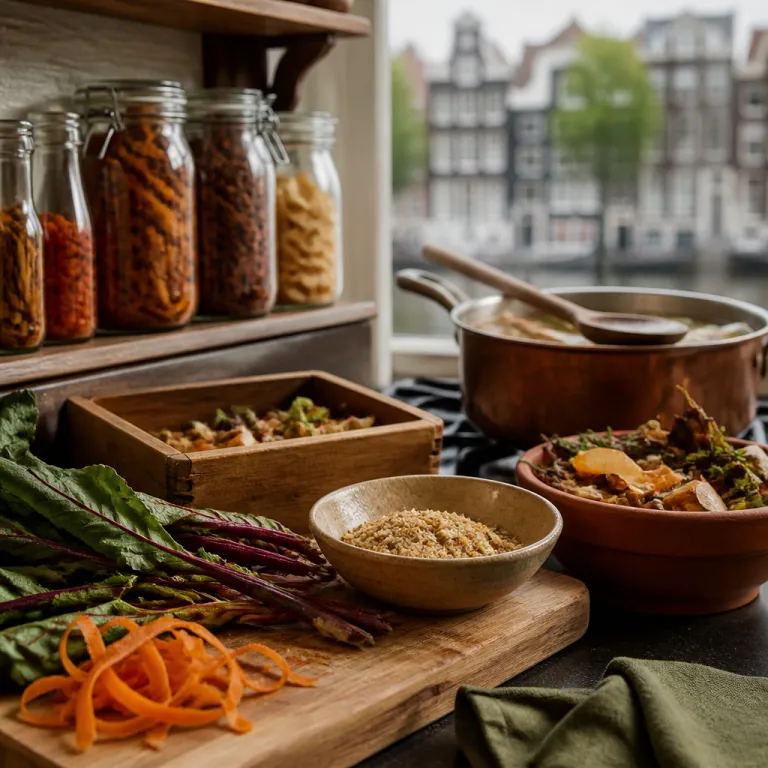
From circular restaurants to circular hotel kitchens
Amsterdam’s most interesting sustainability story now plays out behind the pass. The city that gave Europe its first fully circular restaurant is quietly reshaping how every luxury hotel kitchen thinks about food waste and long term sustainability. For business travellers extending a stay, the emerging circular kitchen approach in Amsterdam hotels is becoming as relevant as Wi-Fi speed or pillow menus.
Restaurant R, often cited as the first circular restaurant in the Netherlands, treats every carrot top and fish bone as part of a carefully managed resource stream rather than something to discard. That same philosophy is moving into the hospitality industry, where breakfast buffets, lobby bars and in house restaurant concepts generate a constant flow of organic leftovers that used to be written off as an unavoidable cost. A circular kitchen in a hotel context means a system where purchasing, prep, service and waste handling are designed together so that food cost, guest experience and environmental impact are all measured with the same data.
De Kas, housed in a former greenhouse in Amsterdam Oost, has long shown how a kitchen team can build menus around what the garden gives each day. Luxury hotels now borrow that model, working with local growers so that kitchen food is seasonal, traceable and easier to manage across multiple outlets. For travellers choosing a hotel, asking how the staff handles food waste is no longer niche; it is a quick way to gauge whether sustainability is a press release or a lived practice in the hospitality industry.
The business case: when food waste reduction protects margins
Behind the scenes, general managers talk about food waste in the same breath as labour and energy. In a city where kitchen space is tight and salaries are high, every kilogram of discarded food represents lost margin and unnecessary environmental impact. The circular kitchen agenda in Amsterdam’s hotel sector is therefore as commercial as it is ethical.
At Sheraton Amsterdam Airport Hotel, the partnership with Leanpath shows how data driven waste prevention can work in a large operation. Chefs log every tray of surplus food into a digital system, which then highlights patterns in waste volumes, portion sizes and menu design. Leanpath case studies from similar European properties report food waste reductions of 30–50% within a year, and when the kitchen team sees that a particular breakfast item returns half eaten every time, they adjust portion sizes or presentation, cutting both food cost and the overall waste issue without compromising guest choice.
For families and executives staying in eco minded properties such as Conscious Hotels, the shift is visible in the breakfast room where live cooking stations replace overstocked buffets. These hotels often pair green energy, refillable amenities and composting programmes with smarter food cost controls, proving that waste reduction and guest satisfaction can rise together. In one Amsterdam property, a head chef described the impact of these changes simply: “Once we started weighing every pan that came back from the buffet, we cut our breakfast waste by a third in six months and saved enough to fund extra training for the team.” If you are planning a stay with children, guides to eco friendly Amsterdam hotels for green families now routinely highlight how each property handles food waste and organic waste streams.
Inside the circular kitchen: systems, teams and technology
Walk into a leading Amsterdam hotel kitchen during prep and you will notice the labels. Containers are marked not only by ingredient but by intended use, from stock to staff meal to composting, turning what used to be a chaotic waste stream into a mapped resource flow. This is where a hotel’s circular food strategy becomes tangible, as every member of the kitchen team understands how their station affects the wider system.
Hyatt Regency Amsterdam, often referred to simply as Hyatt Regency by regulars, has become a reference point for green operations in the city. Here, the general manager treats waste management reports with the same seriousness as revenue figures, asking how much organic waste left the building, how much surplus food was redirected and how much time the staff spent on training required for new procedures. In properties experimenting with tools such as Orbisk or Leanpath, cameras and scales capture data on what lands in the bin, creating a live case study that chefs can use to refine menus and reduce food cost; Orbisk pilots in Dutch hotels, as reported in the company’s own impact summaries, have indicated up to 35% less avoidable food waste within six months.
Hotel Jakarta Amsterdam, profiled in depth in our feature on the rise of eco luxury in Amsterdam, shows how architecture and kitchen design can work together. Its kitchen food flows from a plant filled atrium into a restaurant where guests see the green ethos reflected on the plate and in the waste hotel policies behind the scenes. For travellers who care about sustainability, asking whether a hotel uses a circular kitchen system is now as relevant as checking if there is a spa or executive lounge.
The breakfast buffet problem and how hotels are fixing it
Breakfast is where even the best intentioned hotels can lose control of food waste. Those generous buffets beloved by jet lagged executives and families alike are also the single biggest source of overproduction in most city properties. Amsterdam’s leading hotels are now rethinking this ritual, using circular catering principles to redesign both layout and service.
Some properties near the Zuidas business district have moved to pre order systems for hot dishes, while keeping a smaller cold buffet that is replenished in tighter cycles. Live cooking stations for eggs and pancakes allow chefs to manage portion sizes in real time, cutting the volume of surplus food that once went straight into the waste stream after service. Where composting facilities exist, organic waste from peelings and coffee grounds is separated at source, but the real gain comes from waste prevention rather than end of pipe solutions; internal reports from Dutch hotel groups, shared in industry sustainability briefings, suggest that smarter breakfast planning alone can cut buffet waste by around one third.
Van der Valk Hotel Amsterdam Amstel, which has embraced “Biodiversity on Your Plate” principles, uses local suppliers so that any unused ingredients can move quickly into staff meals or partner restaurants. Four Elements Hotel in IJburg goes further with a declared zero waste policy in its food and beverage outlets, turning the entire building into a live case study in circular hospitality. For guests, the visible signs are subtle — slightly smaller plates, clearer signage, attentive staff — yet these details signal a hotel where waste reduction is part of the culture, not a marketing slogan.
How to choose a luxury hotel that takes food waste seriously
For a business leisure traveller, the challenge is translating all this back of house innovation into a smart booking decision. You want a hotel where sustainability is embedded in the hospitality culture, but you also need reliable service, strong Wi-Fi and a bar that understands a proper gin and tonic. The conversation about circular hotel kitchens in Amsterdam becomes a practical filter once you know what to ask.
Start with the basics and look for hotels that talk specifically about food waste reduction, not just generic green policies. Check whether they mention partnerships with technology providers such as Leanpath or Orbisk, or whether they describe a circular kitchen approach with clear waste management goals and composting or donation schemes for surplus food. When a property publishes data on reduced food cost or lower waste volumes, it signals a general manager who treats sustainability as a measurable performance indicator rather than a side project.
Our in depth review of The College Hotel’s modern reinvention shows how heritage properties can also engage with waste prevention and green operations. Ask at check in how the restaurant handles organic waste, whether the kitchen team receives regular training required for new procedures and how often menus change to reflect seasonal availability. In a city where the hospitality industry is moving fast, the most interesting hotels are those where staff can speak confidently about portion sizes, waste reduction and the environmental impact of every plate that leaves the pass.
FAQ
What is a circular kitchen in an Amsterdam hotel ?
A circular kitchen in an Amsterdam hotel is a culinary operation designed to minimise waste and maximise resource efficiency across purchasing, preparation, service and disposal. It treats food waste as a managed resource stream, using data, technology and staff training to reduce overproduction and redirect surplus food. This approach often includes composting, donation programmes and menu design that uses every part of an ingredient.
How can hotels reduce food waste without hurting the guest experience ?
Hotels reduce food waste by tracking what is thrown away, adjusting portion sizes and redesigning buffets to focus on live cooking and smaller, more frequent replenishment. When chefs use local, seasonal ingredients and plan menus around realistic demand, they protect both food cost and quality. Guests usually experience this as fresher dishes, better cooked to order options and staff who can explain the sustainability story behind each plate.
What does “zero waste menu” mean in the hospitality industry ?
A zero waste menu in the hospitality industry is a set of dishes designed so that every part of each ingredient is used somewhere in the kitchen. Trimmings might become stocks, sauces or staff meals, while surplus food is redirected through donations or preserved for later service. The goal is to ensure that organic waste is minimised and that any remaining waste stream is handled through composting or other responsible waste management systems.
Which Amsterdam hotels are known for strong food waste policies ?
Several Amsterdam hotels have become reference points for food waste reduction, including Sheraton Amsterdam Airport Hotel with its Leanpath partnership and Van der Valk Hotel Amsterdam Amstel with its focus on biodiversity and local sourcing. Four Elements Hotel has adopted a zero waste policy in its food and beverage outlets, making it a notable case study in circular hospitality. Properties such as Hyatt Regency Amsterdam and Hotel Jakarta Amsterdam are also recognised for integrating green design with serious waste prevention efforts.
How can I check a hotel’s sustainability claims before booking ?
Before booking, read the hotel’s website carefully and look for specific references to food waste reduction, circular kitchens, composting or partnerships with technology providers such as Leanpath or Orbisk. Independent reviews and specialist guides to eco luxury hotels in Amsterdam can also highlight which properties back up their sustainability claims with transparent data and clear policies. When in doubt, email the hotel directly and ask how they handle food waste, surplus food and staff training on environmental practices.