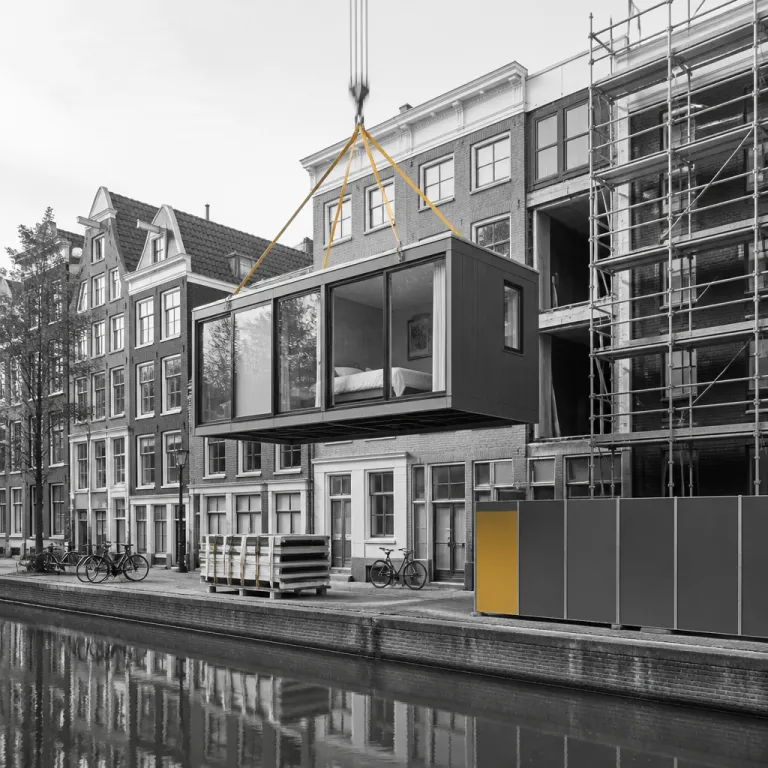
The four levers shaping hotel Amsterdam 2026
Amsterdam is not just a pretty canal city; it is one of the most tightly managed luxury hotel markets in Europe. The City of Amsterdam pulls four main levers at the same time, and together they explain why every hotel review now mentions higher prices and limited availability. If you plan to book a room in the city centre or along a canal, you need to understand these forces before you choose where to stay.
The first lever is tax, and it is blunt. As of January 2026, the VAT rate on hotels in the Netherlands rose from 9 percent to 21 percent, and the tourist tax in Amsterdam stands at 12.5 percent, the highest in Europe.[1] The official line is clear: “As of January 2026, the VAT rate increased from 9% to 21%,” and “The tourist tax is now 12.5%, the highest in Europe,” and “Hotel occupancy rates are at 85%” — three sentences that quietly define the economics of every luxury room in the Amsterdam market.[2]
The second lever is a hard cap on overnight stays in hotels citywide, set at 20 million per year for the whole municipality.[3] That cap is under legal contest, but while the courts argue, hotel owners and guests live with the constraint and feel it in every booking search. The third and fourth levers are the construction freeze on new properties and the tightening of short stay rules, which together push demand back into the regulated hotel sector and away from informal rentals.
Since 2024, a construction freeze means no net new hotels in Amsterdam; a new property can open only if an old one closes.[4] MMCG data shows just three hotels under construction, with 980 rooms, roughly 2 percent of existing inventory, and that thin pipeline will define hotel Amsterdam 2026 for years.[5] When you read any detailed review of places to stay in the city, from a canal side grande dame to a converted warehouse in the historic centre, you are really reading about how scarce rooms shape service, prices and the overall stay.
Short stay rentals face their own clampdown, especially in the historic city centre. From April 2026, the cap on short stay rentals dropped from 30 to 15 nights per year in eight central neighbourhoods, including areas around the museum quarter and Jordaan.[6] That single rule change quietly pushes more visitors who want to stay in Amsterdam in style back toward regulated hotels, and it is explored in depth in this analysis of the new 15 night rental rule, which explains why certain districts are now a luxury hotel story rather than a casual apartment market.
How these forces translate into prices, booking power and value
For a traveller, all these policies show up first in prices. STR and CoStar data put the average daily rate in Amsterdam hotels at just over 210 euros, with occupancy around 85 percent, which means the best rooms in the city centre rarely sit empty.[2] When you plan a stay in Amsterdam for business or leisure, you are competing with a global audience that has already learned to book early and accept that the price of a canal view has changed.
Tax is only part of the story, but it is the easiest to quantify. A combined 33.5 percent in VAT and tourist tax sits on top of the base room price, and that is before you factor in higher operating costs and wage pressure in the Dutch hospitality sector. Rising operating costs and increased fiscal pressure are pushing hotel owners to focus on full revenue per available room, not just headline prices, so the value in hotel Amsterdam 2026 lies in how much service and experience you receive for that final bill.
Because the pipeline of new hotels is almost empty, existing properties hold unusual pricing power. When you read a hotel review that praises a grand Amsterdam canal palace for its service but notes the price, remember that scarcity is doing as much work as marble lobbies and Michelin starred restaurants. For travellers who want the best hotels Amsterdam can offer, the smart move is to book earlier, stay slightly longer and use trusted guides to compare not just prices but also the depth of service, the quality of rooms and the character of each neighbourhood.
Luxury travellers often ask whether they should trade down in category to save money or hold their nerve and pay for a top tier room. In this market, the better strategy is usually to keep your preferred level of service but adjust the timing of your stay in Amsterdam, perhaps shifting from peak weekends to midweek or from high summer to shoulder seasons. To help with that decision, curated guides to unique luxury stays in the city, such as this overview of Amsterdam’s most exceptional hotels, can show where a slightly higher price buys a genuinely richer experience, from canal facing suites to quiet rooms in the museum quarter.
Value also hides in the details of each booking. Some Amsterdam hotels include breakfast, spa access or late checkout in their room prices, while others unbundle every service, so a full comparison requires more than a quick read of the nightly rate. Before you book, check whether the hotel offers flexible booking terms, whether rooms on higher floors justify their premium, and whether a slightly smaller room in the historic centre might feel more rewarding than a larger one on the city fringe.
Why renovations, rebrands and heritage matter more than new builds
With the construction freeze in place, the story of hotel Amsterdam 2026 is not about cranes on the skyline. It is about scaffolding on familiar façades, phased room closures and ambitious rebrands that turn existing buildings into new experiences. Renovations and repositionings are doing the work that new builds once did, especially in the luxury and so called luxury boutique segment.
Take the historic canal side palaces near Oudezijds Voorburgwal and the grand Amsterdam addresses around Dam Square and the museum quarter. Properties such as Sofitel Legend The Grand Amsterdam, often shortened in conversation to Sofitel Legend, are investing heavily in rooms, suites and public spaces to stay ahead of rising guest expectations and the higher prices that hotel Amsterdam 2026 can command. Elsewhere, the Hoxton Lloyd in the eastern docklands shows how a former office building can become one of the most talked about hotels in Amsterdam, with rooms that feel residential and public spaces that attract locals as much as guests.
At the very top end, international brands are reshaping existing icons rather than building from scratch. The Conservatorium’s transition toward the Mandarin Oriental flag, the phased room upgrades at the Dylan and the long awaited opening of Rosewood in a canal side palace all reflect a market where heritage buildings and strict planning rules leave little room for new towers.[7] For travellers, this means that when you book a room in a so called luxury boutique property, you are often buying into a story of careful restoration, layered history and a design narrative that respects the canal house bones.
Because the pipeline of new hotels is so thin, every renovation becomes a city event. The Independent Hotel Show Amsterdam, with its theme “Shaping Tomorrow: Where Innovation Meets Independent Spirit”, underlines how much creative energy is going into reimagining existing hotels rather than adding new ones.[8] If you want to understand why your favourite canal side hotel has scaffolding in July, or why a familiar address now carries a new flag, this analysis of Amsterdam’s construction ban for luxury travellers explains how the one for one replacement rule shapes every project.
For guests, the practical takeaway is simple yet powerful. When you plan a stay in Amsterdam, pay close attention to renovation timelines, soft opening dates and phased room releases, because they affect both noise levels and the availability of the best rooms. A well timed booking just after a renovation can deliver a freshly designed room, sharper service and better value, while a stay during heavy works might only make sense if the price compensates for the disruption.
How to adjust your booking strategy in a constrained market
In a market defined by caps, freezes and high demand, timing is your most important tool. For hotel Amsterdam 2026, the old habit of waiting until the last minute rarely works, especially if you want a specific canal view or a particular room category. Business leisure travellers extending a work trip into a long weekend need to think like revenue managers, not spontaneous backpackers.
Start by stretching your booking horizon. For peak periods in the city centre, such as major conferences, cultural festivals or the busiest tulip weeks, aim to book at least three to six months ahead for the best hotels Amsterdam can offer. That longer lead time gives you access to a fuller range of rooms, from entry level categories to signature suites, and it lets you compare prices across several dates to find the sweet spot between cost and convenience.
Flexibility on dates and neighbourhoods is the second lever you control. If a canal side room in the heart of Amsterdam near the museum quarter is priced beyond your comfort level, consider staying slightly east or west, where converted warehouses and former offices offer strong value and easier booking conditions. Properties like Hoxton Lloyd show how staying just outside the traditional tourist grid can still keep you close to the city’s cultural life, while often delivering more generous rooms at a better price.
Third, use reviews strategically rather than passively. When you read an Amsterdam review, look for comments about noise from renovations, clarity of pricing and how the hotel handled full occupancy nights, because those details matter more in a constrained market. A property that manages a sold out weekend gracefully, with calm service and efficient breakfast operations, is worth a small premium over a cheaper option that feels overwhelmed every time the city is busy.
Finally, treat your booking as the start of a conversation, not the end. After you book, email the hotel to request a quiet room, canal view or early check in, and mention any special needs, because well run Amsterdam hotels use this information to allocate rooms more intelligently. Many properties also invite guests to sign a newsletter, which can bring early notice of renovation milestones, seasonal offers and curated experiences such as private Van Gogh Museum hours or July boat tours on the canals, all of which can turn a good stay into a memorable one.
What comes next for luxury guests in Amsterdam’s regulated future
Looking ahead, the forces shaping hotel Amsterdam 2026 will not vanish overnight. The overnight stay cap, the construction freeze and the strict short stay rules are all designed to protect the liveability of the city, even as they make life more complex for hotel owners and guests. Court challenges to the 20 million overnight limit may adjust the numbers at the margin, but no one expects Amsterdam to swing back to unfettered growth.
Fiscal pressure is likely to remain intense. Policymakers have already signalled that the tourist tax could rise again, with the earliest possible date around the following January after the current framework, which would push the combined tax burden on rooms even higher.[1] For travellers, that means the headline price of a room in the city centre will probably keep climbing, especially in properties that can justify their rates with strong service, distinctive design and a sense of place rooted in the canals and historic streets.
Paradoxically, this tightening creates a structural moat around the legal hotel sector. As informal short stay options shrink under the 15 night rules and enforcement steps up, regulated hotels across Amsterdam become the safest, most predictable way to stay in comfort, with clear consumer protections and professional standards. For high expectation guests, that is good news: you may pay more, but you also gain reliability, transparent booking conditions and a level of accountability that casual rentals rarely match.
In this environment, independent hotels and so called luxury boutique properties have a chance to shine. Events like the Independent Hotel Show Amsterdam encourage owners to invest in innovation, sustainability and guest experience, rather than chasing volume, and that focus suits a market where supply is capped and demand remains strong.[8] Expect more creative use of heritage buildings along canals, more partnerships with cultural institutions such as the Van Gogh Museum, and more curated experiences that turn a simple room booking into a full city narrative.
For you as a traveller, the message is clear and practical. Treat every booking in hotel Amsterdam 2026 as a considered investment of both money and time, and use specialist guides like stay in Amsterdam to read beyond the marketing language and into the real trade offs between location, price and character. If you do that, the regulated, high demand landscape of Amsterdam can work in your favour, delivering stays that feel intentional, grounded in the historic centre and worthy of a city that takes its hospitality as seriously as its canals.
FAQ
How have taxes changed for hotels in Amsterdam?
The tax burden on hotels in Amsterdam has risen sharply, with VAT on accommodation moving from 9 percent to 21 percent and the tourist tax set at 12.5 percent.[1] Together, these charges add roughly a third to the base room price, which directly affects what guests pay at checkout. Travellers comparing prices across Europe should factor in this combined rate when assessing value in Amsterdam.
Why are there so few new luxury hotels opening in Amsterdam?
A construction freeze introduced by the City of Amsterdam means that no net new hotels can be added; a new property may open only if an existing one closes.[4] As a result, the development pipeline is extremely thin, with just three hotels and about 980 rooms under construction, roughly 2 percent of the current inventory.[5] This policy pushes owners to renovate and rebrand existing buildings rather than build from scratch.
What does the overnight stay cap mean for travellers?
The city has set a cap of 20 million overnight stays per year, limiting how many nights can be sold across all hotels.[3] While the cap is under legal challenge, it still shapes planning decisions and reinforces the focus on quality over volume. For guests, this contributes to higher occupancy levels and encourages earlier booking, especially in the city centre.
How do short stay rental restrictions affect hotel prices?
Short stay rentals in several central neighbourhoods are now limited to 15 nights per year, down from 30, which reduces the supply of informal accommodation.[6] Many visitors who might have chosen an apartment now turn to regulated hotels, increasing demand for rooms. This extra pressure supports higher prices, particularly in popular canal side districts and near major museums.
When should I book a luxury hotel in Amsterdam for the best options?
Given high occupancy and limited new supply, booking three to six months ahead is wise for peak periods or specific properties.[2] Early booking gives access to a wider choice of rooms and often better prices than last minute searches. Flexibility on dates and neighbourhoods can also unlock value, especially if you are open to staying just beyond the busiest parts of the city centre.
Sources
[1] Dutch government announcements on VAT and municipal tourist tax frameworks for accommodation, including the 2026 rate change.
[2] STR and CoStar benchmarking data on Amsterdam hotel performance and occupancy, 2024–2025 city reports.
[3] City of Amsterdam policy documents on the 20 million overnight stay cap and related legal proceedings, including council resolutions and explanatory memoranda.
[4] Municipal planning rules outlining the construction freeze and one for one hotel replacement requirement in the zoning plan for Amsterdam.
[5] MMCG market intelligence on the Amsterdam hotel development pipeline and room counts, including the 980 room figure for projects under construction.
[6] Short stay rental regulations detailing the 15 night limit in central neighbourhoods, as published in the city’s housing and tourism ordinances.
[7] Brand announcements from Mandarin Oriental, Rosewood and other luxury operators on Amsterdam projects, including press releases and investor presentations.
[8] Independent Hotel Show Amsterdam programme materials and event themes, including the “Shaping Tomorrow: Where Innovation Meets Independent Spirit” edition.