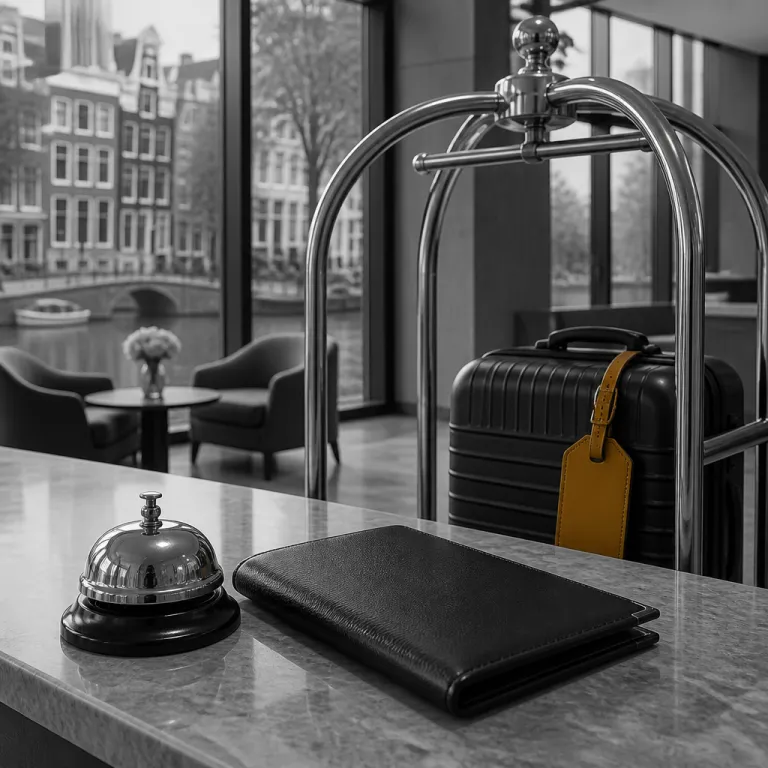
How to decide which Amsterdam area is best for your stay
Choosing the Amsterdam best area to stay begins with clarifying your priorities. In a compact city where the historic center, the canal belt, and the museum quarter sit within a few kilometres, location shapes every moment of your stay. Think about whether you value walking distance, quiet streets, or immediate access to the city center nightlife.
For first time visitors, many travellers ask which area is best for first-time visitors ? and the established answer remains clear ; Jordaan offers charm and central location. This neighbourhood sits just west of Amsterdam Centrum and the canal ring, giving you a great balance between postcard canals and easy tram links to the museum quarter or De Pijp. You can stay in a luxury hotel Amsterdam property overlooking a canal, then reach Dam Square or Centraal Station in under fifteen minutes on foot.
When you compare the best areas, consider the pros and cons of each district carefully. Amsterdam Centrum and the city center around Dam Square give you unmatched convenience, yet the cons staying here include late night noise and heavier crowds at peak time. Jordaan, the canal belt, and the wider canal ring offer quieter streets and elegant hotels Amsterdam options, but you will walk a little more or rely on trams for some journeys.
Luxury travellers often ask whether to stay Amsterdam in the canal belt or near the museum quarter. The canal belt and canal ring provide historic mansions converted into refined hotels, where rooms overlook bridges and tree lined quays, while the museum quarter offers larger properties with spacious suites and spa facilities. If you want to find the best hotels for art focused itineraries, staying near the Van Gogh Museum and Rijksmuseum in the museum quarter keeps culture at your doorstep.
Transport access also shapes which areas stay attractive for a short city break. Being near Centraal Station makes airport transfers and day trips effortless, so some guests accept the pros cons of a busier environment in exchange for that convenience. Others prefer a nice residential area such as De Pijp, where mid range and premium hotels sit among cafés and markets, giving a more local rhythm to your stay.
Staying in Amsterdam Centrum and around Dam Square
Amsterdam Centrum is the historic heart of the city, stretching from Centraal Station down to Dam Square and the surrounding streets. This is the Amsterdam best area to stay if you want to step out of your hotel and be instantly in the middle of the action. You will find the highest concentration of hotels Amsterdam here, from discreet luxury addresses to polished mid range chains.
The pros staying in the city center are obvious ; you can walk to the Royal Palace on Dam Square, the canal belt, and the Red Light District within minutes. Trams radiate from Amsterdam Centrum in every direction, so you can reach the museum quarter, De Pijp, or Jordaan quickly even on a short stay. For travellers who value time above all, this central grid makes it easy to fit several museums, canal cruises, and fine dining reservations into a single day.
There are, however, clear cons staying in this area, especially for light sleepers. Streets near Dam Square and the Red Light District stay busy late, and some rooms in older buildings have less sound insulation than guests expect from the best hotels. When you weigh pros cons for a luxury trip, consider requesting canal ring facing rooms on quieter side streets, or choosing a hotel Amsterdam property one or two blocks away from the noisiest lanes.
Price is another factor when you compare areas stay options in the city center. Amsterdam Centrum commands premium rates, particularly for larger rooms with canal views or suites close to Centraal Station, yet you gain unmatched convenience for theatre nights and restaurant hopping. If you want help evaluating which central properties genuinely excel, consult a curated overview such as this guide to the best luxury hotels in Amsterdam by what they actually do well.
For travellers who enjoy nightlife, the pros staying in Amsterdam Centrum often outweigh the cons. You can stroll from your hotel to canal side cocktail bars, then return on foot without relying on taxis or late trams, which saves time and simplifies logistics. If you prefer a nice quiet base, you might still choose the city center but focus on the canal belt edges, where the atmosphere softens and the canal views become the main attraction.
Canal belt, canal ring, and Jordaan for postcard Amsterdam
The canal belt, also known as the canal ring, forms a graceful arc of waterways encircling the old city center. Many travellers consider this the Amsterdam best area to stay when they imagine gabled houses, stone bridges, and tree lined quays outside their hotel windows. Here, hotels Amsterdam often occupy former merchants’ residences, offering character filled rooms and refined service.
Jordaan lies on the western side of the canal ring and blends residential calm with creative energy. Narrow streets hide independent galleries, cafés, and small hotels, giving the area a village like feel while still being close to Amsterdam Centrum and Dam Square. For guests who want to stay Amsterdam in a central yet intimate setting, Jordaan’s canals and courtyards provide a great compromise between access and tranquillity.
The pros staying in the canal belt and Jordaan include beautiful canal views, walkable distances to the city center, and a strong sense of place. You can reach the Anne Frank House, the Nine Streets shopping area, and tram lines to the museum quarter within ten to fifteen minutes on foot, which keeps your travel time efficient. The main cons staying here relate to narrow staircases in historic buildings and occasionally smaller rooms, so check floor plans carefully when you compare best hotels.
For luxury and premium travellers, the canal ring offers some of the best areas for romantic stays. Suites with canal facing rooms, high ceilings, and period details create a sense of living inside Amsterdam’s history, while modern amenities ensure comfort after long days of museum visits and canal cruises. During high season, when the city welcomes around twenty million annual tourists according to the Amsterdam Tourism Board (2023 data), booking early in this area becomes essential to secure your preferred room type.
Because demand is strong, it helps to understand how properties manage crowds and service levels at busy times. A realistic resource such as this guide to high season hotel crowds and how properties adapt can clarify what to expect from check in, concierge support, and late check out requests. When you balance pros cons for the canal belt, remember that the unique atmosphere and central yet calm setting often justify the premium rates for many discerning guests.
Museum quarter and De Pijp for culture and local flavour
South of the canal ring, the museum quarter and De Pijp offer two distinct answers to the question of Amsterdam best area to stay. The museum quarter, centred around Museumplein, is home to the Rijksmuseum, the Van Gogh Museum, and the Stedelijk Museum, making it ideal for culture focused itineraries. Many of the best hotels here are large, elegant properties with spacious rooms, wellness facilities, and refined restaurants.
The pros staying in the museum quarter include quiet, tree lined avenues, easy access to world class art, and quick tram connections to Amsterdam Centrum and the city center. Families appreciate the green space of Museumplein, where children can run between museum visits, while luxury travellers value the proximity to high end shopping streets. When you compare areas stay options, the main cons staying here are slightly longer travel times to Dam Square and the Red Light District, though trams usually keep journeys under twenty minutes.
De Pijp, just east of the museum quarter, offers a different rhythm with its markets, cafés, and diverse eateries. This area has become one of the best areas for guests who want a nice local atmosphere while still being close to the canal belt and Amsterdam Centrum by tram or metro. You will find a mix of mid range and premium hotel Amsterdam properties here, often with contemporary design and efficient rooms suited to shorter stays.
For food lovers, staying in De Pijp means the Albert Cuyp Market and numerous restaurants are only a few minutes’ walk from most hotels. The pros cons balance here leans towards vibrancy and everyday city life, with the main cons staying being slightly fewer grand canal views and a more residential feel at night. Many repeat visitors choose to stay Amsterdam in De Pijp after an initial trip based in the city center, once they know how easily they can reach the canal ring and museum quarter from this neighbourhood.
When you plan a culture heavy itinerary, combining nights in the museum quarter with evenings in De Pijp can work well. You might spend your first time in the city near Museumplein to maximise museum access, then shift to De Pijp for a weekend focused on dining and local bars. This flexible approach allows you to experience multiple sides of Amsterdam while still keeping travel time between hotels short and manageable.
Practical tips for choosing and booking the right hotel
Once you have narrowed down the Amsterdam best area to stay, focus on matching specific hotels to your travel style. In a city with around five hundred hotels, according to the Amsterdam Hotel Association (2022 report), the range of rooms, service levels, and locations is wide. Start by deciding whether you prefer a canal belt address, a museum quarter grand hotel, or a central property near Centraal Station.
For luxury and premium stays, pay close attention to room categories and exact square metre sizes. Some historic canal ring properties offer unique rooms shaped by old architecture, so two rooms in the same category can feel quite different in layout and light. When you compare best hotels, look for floor plans, clear photos, and detailed descriptions of views, whether they face a canal, a courtyard, or a city center street.
Consider the pros cons of each area in relation to your daily plans. If you expect to spend most of your time in museums, staying near the Van Gogh Museum and Rijksmuseum reduces travel time and keeps your schedule relaxed. If nightlife and dining are priorities, a nice hotel Amsterdam property in Amsterdam Centrum or on the edge of the Red Light District may suit you better, provided you request quieter rooms away from the busiest corners.
Booking channels also influence your experience, especially for higher room categories. Many premium hotels Amsterdam offer added benefits when you reserve directly, such as flexible check in times, room upgrade priority, or tailored concierge assistance for canal cruises and restaurant reservations. For heritage properties, guides such as this article on using an official hotel phone number for a refined historic stay in Amsterdam show how direct contact can secure specific room locations or interconnecting suites.
Finally, think about how you like to move through a city. Guests who enjoy walking may prioritise the canal belt, Jordaan, or the museum quarter, where most attractions sit within a two to three kilometre radius. Travellers who prefer quick public transport links might choose areas stay options near Centraal Station or major tram hubs, accepting the pros staying in busier zones in exchange for effortless connections across Amsterdam.
Balancing pros and cons across Amsterdam’s best areas to stay
Every neighbourhood in Amsterdam presents a different balance of pros and cons, and understanding these trade offs helps you select the Amsterdam best area to stay for your specific trip. Amsterdam Centrum and the city center around Dam Square excel for first time visitors who want immediate access to major sights. The canal belt, canal ring, and Jordaan shine for guests who value atmosphere, canal views, and quieter evenings.
The museum quarter stands out for culture enthusiasts and families, thanks to its museums and green spaces. As one trusted overview notes, Which area is best for culture enthusiasts ? Museum Quarter houses major museums. De Pijp, meanwhile, appeals to travellers seeking a nice local feel, with mid range and premium hotels surrounded by markets and restaurants rather than tourist focused shops.
When you evaluate areas stay options, list your top three priorities, such as walking distance, quiet nights, or proximity to Centraal Station. Then assign each area a simple score based on how well it meets those needs, weighing the pros staying there against the cons staying there in a structured way. This method turns an emotional choice into a clear decision, whether you ultimately book a canal ring suite, a museum quarter grand room, or a refined address in Amsterdam Centrum.
Remember that Amsterdam is a compact city, so no well located hotel will ever feel truly remote. Trams, metros, and bike lanes connect the canal belt, museum quarter, De Pijp, and the city center in minutes, which softens the impact of any single compromise. By focusing on how you want to feel when you step out of your hotel each morning, you will naturally gravitate towards the best areas for your style of staying in Amsterdam.
For luxury and premium travellers, the final choice often comes down to the character of the building and the quality of service. A canal side mansion in the canal belt, a contemporary property in De Pijp, or a classic grand hotel near Dam Square can all deliver an exceptional stay when matched to the right guest. With clear priorities and an understanding of each area’s strengths, you can find the best hotels Amsterdam offers for a memorable and comfortable city break.
Key figures on Amsterdam travel and hotel landscape
- Amsterdam welcomes around twenty million tourists each year, according to the Amsterdam Tourism Board (2023 statistics), which means high demand for rooms in the city center and canal belt during peak months.
- The Amsterdam Hotel Association reports approximately five hundred hotels in the city in its 2022 overview, giving travellers a wide spectrum of luxury, premium, and mid range options across Amsterdam Centrum, the museum quarter, De Pijp, and Jordaan.
- Because the historic core is compact, most central areas stay within roughly two to three kilometres of each other, allowing guests to walk between the canal ring, Dam Square, and Museumplein in under thirty minutes.
- Neighbourhoods such as Jordaan and the canal belt have seen increased interest in characterful accommodations, reflecting a broader trend towards properties with local charm and sustainable practices.
FAQ about choosing the best area to stay in Amsterdam
Which area is best for first time visitors to Amsterdam ?
For many travellers, Jordaan is the best area for a first stay because it combines charming canals, independent shops, and cafés with a central location close to Amsterdam Centrum. You can walk to the canal belt, the Anne Frank House, and tram lines for the museum quarter in minutes. This balance of atmosphere and access makes it ideal if you want a classic Amsterdam experience without being directly on the busiest city center streets.
Where should I stay in Amsterdam for nightlife and dining ?
If nightlife is a priority, Amsterdam Centrum and the wider city center around Dam Square and the Red Light District work well. You will find many bars, restaurants, and late opening venues within a short walk of most hotels, which reduces travel time after dark. Guests who prefer a slightly calmer base often choose the canal ring edges or De Pijp, where dining options are excellent but streets feel more residential at night.
Which Amsterdam neighbourhood is most suitable for families ?
The museum quarter is particularly family friendly thanks to its wide pavements, green spaces, and proximity to major museums. Staying near Museumplein keeps the Van Gogh Museum, Rijksmuseum, and playgrounds close, while trams connect you quickly to Amsterdam Centrum and the canal belt. Many hotels in this area offer larger rooms or suites, which helps when travelling with children.
Where can I find more affordable yet well located hotels in Amsterdam ?
De Pijp and some parts of Amsterdam Centrum just beyond the immediate Dam Square area often provide better value while remaining central. In De Pijp, you will find a mix of mid range and premium properties surrounded by markets and cafés, giving a local feel at slightly lower rates than the canal belt. Booking outside peak weekends and checking flexible dates can further improve prices across several best areas.
Is it better to stay near Centraal Station or in the canal belt ?
Staying near Centraal Station is convenient for airport trains and day trips, making it practical for short business visits or tight schedules. The canal belt and canal ring, by contrast, offer more atmospheric streets and canal views, which many leisure travellers prefer for longer stays. Your choice should depend on whether you value transport convenience above all, or whether you prioritise a scenic, historic setting when you step out of your hotel each day.