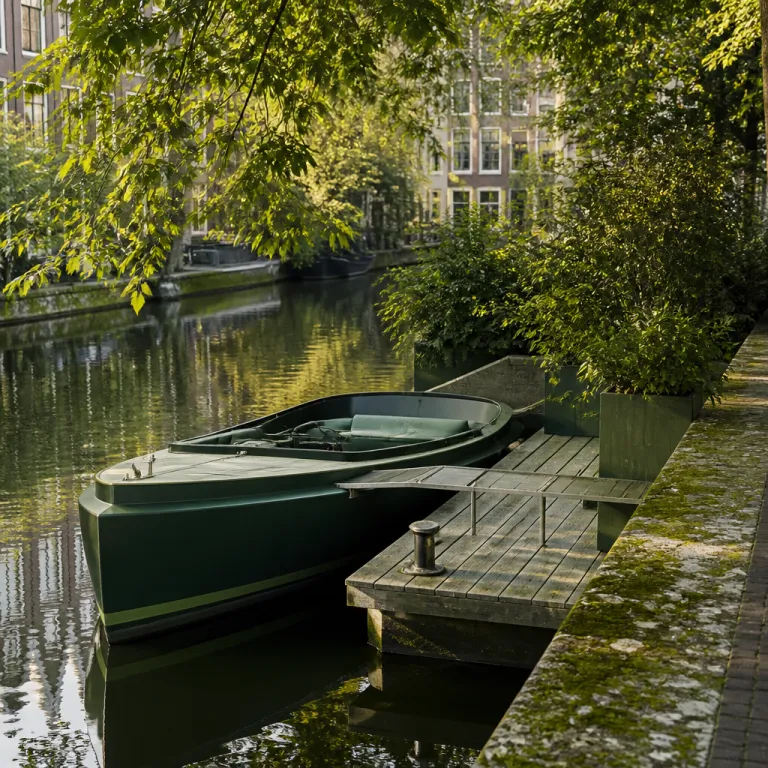
From taxi rank to private pier: why hotels move to the water
In Amsterdam, the most interesting hotel lobbies now extend onto the water. The shift from street entrance to canal edge is reshaping how luxury properties think about arrival, and it turns the traditional taxi ride into a quiet, low impact canal transfer by electric boat. For solo travelers, that first glide along an Amsterdam canal in a battery powered launch can feel more intimate than any chauffeured car.
The city has pushed hard to replace diesel engines with electric propulsion on its historic canal boats. Since 2019, municipal rules have tightened toward a 2025 goal of zero emission commercial passenger vessels in the inner city, and local trade bodies estimate that well over half of new tour boats are now fully electric or hybrid. Municipal rules and guest expectations now align, so electric boats are no longer a novelty but the emerging standard for any serious luxury canal operation that cares about environmental impact. This is why many sustainable operators retrofit classic canal boats with modern electric motors and high capacity battery systems, rather than scrapping heritage vessels that still tell the story of the city.
For hotels, the canal is becoming a second front door rather than a backdrop. Properties that once treated the water as scenery now design entire guest experiences around private canal cruise transfers, curated boat tours and quiet electric canal shuttles to Centraal Station. A typical 8–12 metre saloon boat can now cover several 60 minute canal cruises on a single overnight charge, docking at compact charging points tucked under bridges or beside hotel terraces. The result is a new category of water based hospitality where the canal boat is both transport and narrative device, connecting the guest to neighbourhoods that taxis simply bypass.
Where the boat is part of the brand: waterfront leaders
Some Amsterdam hotels have gone further, building their identity around the water itself. Hotel Jakarta on Java eiland is the clearest example, a glass and timber structure where the canal basin outside functions as a living lobby for electric boats and low wake canal cruises. Guests step from a jungle like atrium straight onto an electric boat for a silent cruise that underlines the property’s eco conscious, canal focused credentials; as one staff member puts it, “if you arrive by water, you understand the building immediately.”
Across the harbour in Houthavens, BOAT&CO treats the water as its main street. Here, canal boats and compact electric vessels tie up directly at the terrace, and the hotel concierge arranges private canal cruise experiences that replace the usual taxi transfer with a tailored boat tour through working docks and new residential islands. For solo explorers, this feels less like a packaged cruise and more like a guided introduction to a still evolving part of Amsterdam, with a live guide explaining how electric propulsion and waste reduction targets shape the district and how overnight shore power keeps batteries topped up between departures.
These waterfront pioneers show how a luxury canal stay can be both indulgent and sustainable. They work closely with electric canal boat operators and hotel dock owners, two groups that now define many of the city’s most interesting green canal collaborations. For a deeper look at how one property built its entire concept around eco friendly water access, read this analysis of Hotel Jakarta and the rise of eco luxury in Amsterdam, which unpacks design choices from locally sourced materials to on site energy systems.
How electric canal boats change the guest experience
Electric canal boats do more than clean up the air above the water. They change the texture of a canal cruise, replacing the rattle of diesel engines with near silence and allowing conversations to float across the water without strain. On a premium 60 minute canal cruise in a restored saloon canal boat, that quiet matters as much as the wine list or the guide’s storytelling, especially when the boat glides through narrow side canals where sound carries.
Most luxury operators now run small fleets of electric boats that can slip under low bridges and into narrower side canals. Typical battery packs offer four to eight hours of cruising at canal speeds, which lets operators design canal cruises that avoid the busiest stretches of the Amsterdam canal ring and instead focus on residential waterways where low wake electric propulsion protects fragile quay walls and moored houseboats. For guests, the difference is immediate, because the water feels calmer, the environmental impact is lower and the experience feels more like a private salon than a mass market boat tour.
Inside the boats, sustainability runs beyond the engine room. Better operators pair electric motors and battery banks with eco friendly choices such as reusable glassware, filtered tap water and locally sourced snacks that cut packaging waste. Some now publish simple sustainability statements that cover waste sorting on board, shore power sources and cleaning products. If you want to check how serious a hotel or cruise company is, look for recognised labels and read this guide to Amsterdam hotel sustainability labels like Green Key, BREEAM and Positive Luxury, then ask how their canal cruises align with those standards.
Designing your stay around the canal: practical booking strategies
When you plan a luxury stay in Amsterdam, start by deciding how central the canal should be to your movements. Some travelers want one signature canal cruise, while others prefer to use electric boats as a daily shuttle between hotel, museums and dinner reservations. The broader shift toward low emission canal transport makes both approaches possible, but you need to choose properties and operators carefully so that the water really functions as your main corridor.
Look for hotels that list private canal boat access, on site docks or partnerships with sustainable operators in their room descriptions. Many now offer packages where your first canal cruise doubles as an arrival transfer, with an electric boat meeting you at Centraal Station and gliding straight to the hotel dock for check in. One concierge describes it as “moving the lobby to the waterline,” because the welcome drink, orientation and first stories about the city all happen on board. This is where the canal boat becomes more than a tour, because it replaces a taxi, reduces traffic and frames your first impressions of the city from the water rather than the ring road.
When comparing canal cruises, ask specific questions about engines, routes and group size. You want electric boats with certified electric motors, clear policies on waste reduction and a maximum capacity that still feels like a luxury canal salon rather than a commuter ferry. For a sense of how heritage properties are rethinking their relationship with the water, the reopening of The College Hotel is a useful case study, and this detailed review of its evolution as a historic Amsterdam hotel reinvented for modern travellers shows how even landlocked addresses can plug into the canal network through curated boat tours.
Behind the scenes: infrastructure, operators and city policy
What feels like a seamless glide along the water is backed by serious infrastructure. Amsterdam has spent years tightening rules on diesel engines, pushing both public and private operators toward largely electric canal fleets that now dominate the inner city. The municipality’s Varen in Amsterdam policy documents outline a phased move to zero emission commercial boats by 2025 and stricter standards for private craft by 2030, and local trade groups report that a clear majority of new canal tour vessels are now fully electric or hybrid.
On the technical side, retrofitting classic canal boats with electric propulsion requires careful work. Engineers remove old diesel blocks, install compact electric motors and integrate battery packs sized for multiple canal cruises without mid day charging, while still keeping enough space for a bar, seating and safety equipment. Typical conversions add shore power connections at fixed docks so that boats can recharge overnight or during longer layovers. The result is a new generation of canal boats that look like heritage craft above the waterline but behave like quiet, eco friendly shuttles below it, with lower environmental impact and far less vibration for guests.
Collaboration is the other quiet revolution. Boat rental companies, hotel chains and municipal authorities coordinate on dock construction, charging points and shared standards for waste handling on the water. The city summarises the shift in practical terms for visitors: electric boats are widely available for rent from licensed operators, many mid range and luxury hotels now offer some form of dock or direct canal access, and for small pleasure craft under 15 metres and below a set speed, no separate boating license is required under Dutch law.
Reading the water: how to choose the right cruise as a solo traveler
For solo guests, the sustainable canal cruise landscape can feel crowded with options. The key is to decide whether you want a social canal cruise with a bar and live guide, or a quieter boat tour that feels almost meditative as it slides along the water at dusk. Both can be luxurious, but they suit different moods and travel styles, and the best operators are clear about which atmosphere they offer.
Premium 60 minute canal cruises on restored saloon boats usually sit at the top of the market. These canal cruises often include wine, local beer and Dutch snacks, with a guide who can pivot from Golden Age architecture to contemporary environmental policy while the electric boat threads under low bridges. If you prefer something more flexible, look for small electric boats that you can rent without a license for standard pleasure use, then follow suggested routes from sustainable operators who know which stretches of Amsterdam canal are calmest at different times of day and where low wake speeds are most strictly enforced.
Whatever you choose, pay attention to how the operator talks about environmental impact. The best companies are transparent about electric propulsion, battery sourcing, waste reduction and how they manage water based waste from the bar, not just the absence of diesel fumes. When hotel concierges speak confidently about these details and can explain why one canal boat partner is more eco friendly than another, it is usually a sign that the entire property takes sustainability as seriously as service.
FAQ
Are electric boats in Amsterdam really better for the environment than diesel boats ?
Electric boats in Amsterdam eliminate direct exhaust emissions on the canals and significantly reduce noise pollution. When powered by renewable electricity from the Dutch grid, their overall environmental impact is far lower than that of boats using diesel engines, especially in dense historic districts. They also create less wake at typical canal speeds, which helps protect canal walls and moored vessels.
Do I need a license to rent and operate an electric canal boat in Amsterdam ?
For most small electric boats offered to visitors, a boating license is not required under Dutch regulations as long as the vessel stays below 15 metres and does not exceed the local speed limit. Rental operators provide a safety briefing, route suggestions and basic training on steering and speed limits before you leave the dock. Always confirm the rules with your chosen company, especially if you plan longer tours or evening cruises.
How can I find Amsterdam hotels that offer direct canal access or private docks ?
Many higher end properties now highlight private docks, canal boat partnerships or canal cruise packages directly in their room descriptions. When researching, look for phrases such as private pier, hotel dock or arrival by boat, then email the concierge to confirm how electric boats are used in daily operations. Some hotels even arrange electric boat transfers from Centraal Station as part of a tailored check in experience.
Are sustainable canal cruises more expensive than regular boat tours ?
Premium electric canal cruises with smaller groups and higher service levels usually cost more than mass market tours, often reflecting both the upgraded hardware and the hospitality on board. However, prices vary widely, and some shared electric boat tours are competitively priced with traditional diesel based cruises. The added value often lies in quieter operation, better routes and a stronger sustainability profile.
Can I book an electric boat tour at the last minute, or should I reserve in advance ?
Advance booking is strongly recommended for popular time slots such as sunset or weekend evenings, especially for small luxury canal boats with limited capacity. Some operators keep a few electric boats for walk up guests, but availability is never guaranteed during busy periods. If your hotel has a concierge, ask them to secure a canal cruise that matches your schedule and sustainability preferences before you arrive.