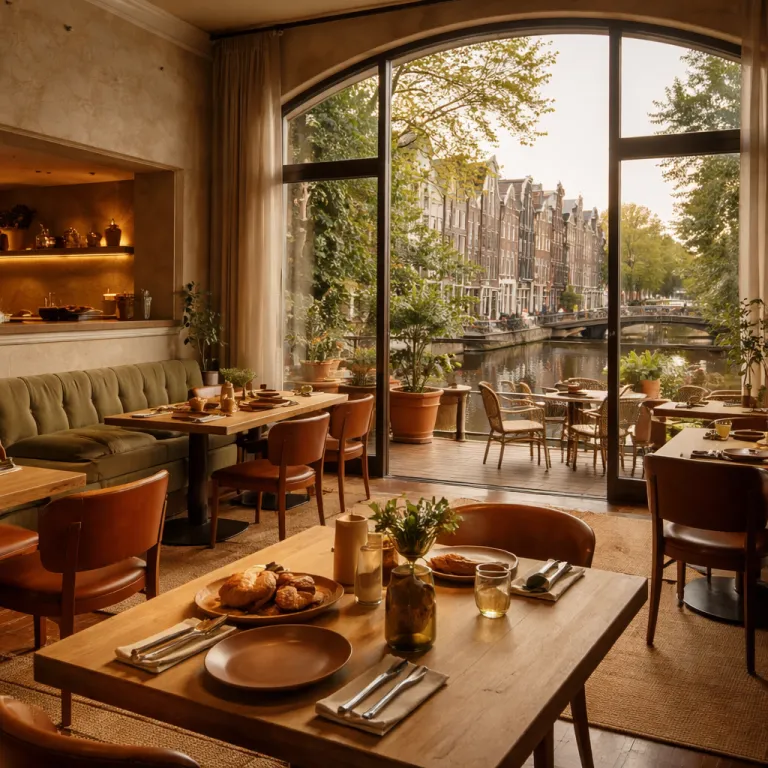
Amsterdam hotel restaurants fine dining comes of age
Amsterdam hotel restaurants fine dining has shifted from convenient fallback to serious culinary destination. In a city once described as sparse on ambitious dining, with mostly stuffy French rooms, the best hotel restaurants now set the pace for what counts as a modern dining experience in Amsterdam. For business travellers extending a stay, this means you can enjoy a world-class restaurant without leaving the lobby, yet still feel plugged into the city rather than sealed off from it.
The structural advantages are clear: luxury hotels can invest in a Michelin-level chef, a deep wine cellar and a service équipe that would be hard for an independent restaurant to sustain. With rooms revenue smoothing out seasonality, these properties can work with carefully sourced ingredients and seasonal produce from Dutch suppliers, rather than chasing volume at every table. That stability also attracts talent, which is why Ciel Bleu at Hotel Okura Amsterdam has held two Michelin stars since 2007, longer than most standalone restaurants in the city, and remains a benchmark for Amsterdam’s best sky-high fine dining.
Look at how these dining rooms operate and the difference is obvious. A serious Amsterdam hotel restaurant now offers a tasting menu that can rival any Michelin-starred address in town, but it also understands that a guest who just ate through a long meeting may want a shorter menu and precise wine pairings at the bar. As chef Arjan Speelman of Ciel Bleu has noted in interviews, many guests now “mix a few signature courses with lighter dishes” rather than committing to the longest menu, and the room is designed to accommodate both approaches. The result is a new kind of dining experience where hotel-based fine dining serves both the executive closing a deal over a canal-side lunch and the local couple marking a special occasion with private dining in a quiet room overlooking the lights of Amsterdam.
From captive audiences to local favourites
The most telling shift is that locals now book table reservations at hotel restaurants and bars they once ignored. According to the 2024 Michelin Guide for the Netherlands, Amsterdam counts 21 Michelin-starred restaurants, and several sit inside hotels, so residents have started to treat these addresses as part of their own neighbourhood circuit rather than tourist territory. That change in behaviour is the strongest signal that Amsterdam’s hotel dining scene has earned genuine authority.
Ciel Bleu at the Okura, Restaurant Bridges at Sofitel Legend The Grand Amsterdam and Senses Restaurant at The Albus are all examples where the chef teams cook for a mixed audience of guests and Amsterdammers who know exactly where to find some of the city’s best Dutch cuisine. These kitchens lean into seasonal Dutch produce, building menus around ingredients like North Sea fish, white asparagus or Beemster cheese, and pairing them with wine lists that move confidently from Burgundy to natural wine. One regular at Bridges describes the experience as “classic Amsterdam hospitality with a modern edge,” a reminder that the atmosphere matters as much as the plate. The result is a dining experience that feels rooted in the city rather than a generic international hotel template, even when the room design is unapologetically global.
For travellers using a luxury hotel booking website, this matters. You are no longer choosing between a convenient in-house restaurant and the real city; you are choosing between several restaurants where locals ate last week and will happily return, whether for a quick table at Midtown Grill or a longer tasting menu at De Silveren Spiegel nearby. If you want a deeper briefing on how to align your stay with these culinary options, a dedicated guide to luxury and premium hotel booking website insights for fine dining experiences can help you read between the lines of glossy photos and understand which properties truly prioritise fresh ingredients, serious wine pairings and thoughtful service.
The business leisure advantage: when convenience meets ambition
For the business leisure traveller, the rise of high-end hotel restaurants in Amsterdam is more than a pleasant surprise; it is a strategic advantage. You can land in the city, head straight to your room, and still secure a Michelin-level dining experience without negotiating taxis, waiting lists or unfamiliar neighbourhoods after a long day. Convenience no longer means compromise, especially when a hotel restaurant holds a Michelin star or is run by a chef with serious pedigree.
Consider the executive staying near Museumplein who finishes meetings at 19.00 and wants to enjoy a proper dining experience without crossing half of Amsterdam. Booking a table at Restaurant Bridges or at a property featured in a specialist guide to Amsterdam hotels with fine dining allows you to move from laptop to linen tablecloth in minutes, with a sommelier ready to suggest wine pairings that match both the tasting menu and your remaining emails. The same logic applies at MR PORTER at W Amsterdam, where the steakhouse energy, rooftop views and strong wine list make it easy to host a client dinner that feels like a night out rather than a room service compromise.
There is also a subtle psychological benefit. When your hotel offers serious restaurants and bars, you can structure your stay around a rhythm of work, spa and dinner that feels almost residential, especially if you combine a meeting-heavy day with a visit to one of the city’s spa hotels with rooftop saunas before sitting down to fine dining. This is where Amsterdam’s hotel restaurants intersect with wellness and design; the same investment that creates a calm room and a strong spa often supports a kitchen that works with seasonal ingredients, Dutch cuisine and carefully sourced produce, turning a standard business trip into something closer to a curated city break.
Global brands, local canals: how hotels reshape Amsterdam’s culinary map
What is happening in Amsterdam’s hotel dining scene is part of a broader European pattern, but the city’s scale and canal-side geography give it a particular flavour. International brands bring capital, training programmes and global recruitment networks that help attract Michelin-level chefs who might otherwise choose London or Paris. At the same time, the compact layout of Amsterdam means these restaurants sit within walking distance of independent peers, which keeps standards honest and competition sharp.
Properties along the grand canals, such as those near Prinsengracht Amsterdam, illustrate this balance between global polish and local context. A guest at a luxury address like Dylan Amsterdam, for example, can step from a quiet courtyard room into a dining room where the menu might reinterpret Dutch cuisine with seasonal ingredients and precise wine pairings, then walk five minutes to a brown café for a final glass of wine. When you contact Prinsengracht area hotels or browse a curated website for reservations, you are effectively choosing your own micro-neighbourhood of restaurants, bars and canal-side walks, not just a bed for the night.
This is why the best luxury and premium hotel booking platforms now treat the restaurant as a primary filter rather than an afterthought. They highlight whether a property offers private dining for a special occasion, whether its rooms offer views that complement a long tasting menu, and whether the chef works closely with local producers for sourced ingredients that reflect Amsterdam rather than a generic international pantry. As one industry FAQ puts it with disarming clarity, “Do these restaurants accommodate dietary restrictions? Yes, most offer options; inform them when booking. Are these restaurants suitable for special occasions? Absolutely, they provide elegant settings for celebrations. Is there a dress code for these fine dining restaurants? Yes, dress codes vary; check with each restaurant.”
Key figures shaping Amsterdam’s hotel fine dining landscape
- Amsterdam currently counts 21 Michelin-starred restaurants in the 2024 Michelin Guide for the Netherlands, which places the city among the most decorated dining destinations in Europe relative to its size and directly supports the rise of high-end hotel restaurants.
- Ciel Bleu at Hotel Okura Amsterdam has maintained two Michelin stars since 2007, a longer continuous run than most standalone restaurants in the city, underscoring how hotel-backed investment and talent retention can sustain consistently high standards.
- De Kas, while not inside a hotel, holds a Michelin Green Star in the 2024 guide for its long-standing commitment to farm-to-table cooking and seasonal ingredients, setting a sustainability benchmark that many hotel restaurants in Amsterdam now emulate through carefully sourced produce and reduced-waste programmes.
- Key hotel restaurants such as Restaurant Bridges, Senses Restaurant, Midtown Grill and MR PORTER operate year-round with daily service, which provides a reliable framework for business travellers who need to book table reservations on tight schedules and still expect a refined dining experience.
- With international brands like Marriott, Accor and others anchoring major properties, the concentration of high-end restaurants and bars within walking distance of central business districts has increased significantly over the past decade, making it easier for executives to enjoy fine dining without sacrificing productivity.