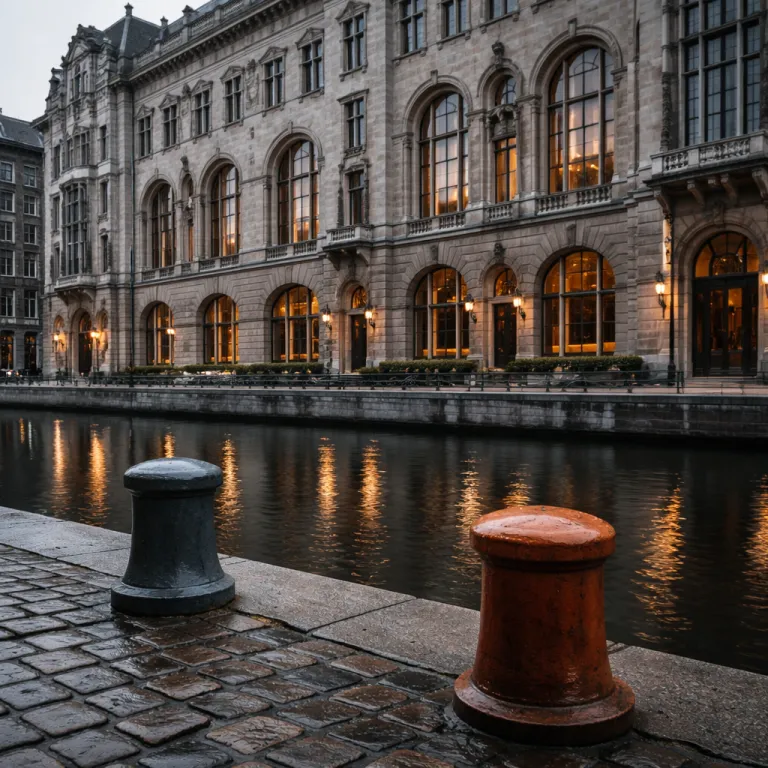
Hotel Amsterdam review of Rosewood Amsterdam’s historic setting
This Amsterdam luxury hotel review begins where the city’s legal history once ruled. Rosewood Amsterdam is scheduled to open in 2024 in the former Palace of Justice on Prinsengracht, a 17th century complex that later served as a courthouse and justice ministry before its conversion into a high end canal hotel. As of early 2024, the project has been announced with 134 guest rooms and suites, according to Rosewood’s own pre opening material; while final details may evolve before opening, the core narrative is clear. For travelers planning a stay in the canal district side by side with history, the transformation of this landmark into a refined city retreat is the story to understand.
The original complex on the canal reportedly started life as an orphanage before becoming a courthouse, and the architects have leaned into that layered narrative with care. You see it in the preserved staircases, the high ceilings, and the way ceiling windows pull northern light into long corridors that once led to courtrooms rather than rooms and suites for paying guests. Archival photographs and planning documents suggest that much of the original structure has been retained. This is not a themed Europe hotel experience; it is a serious restoration that respects the city while still aiming for ultra luxury.
From the moment you check in, the contrast between the austere former justice building atmosphere and the warm hospitality is striking. A discreet porter team manages luggage with the calm efficiency you expect from top tier hotels in the city, while the front desk handles every credit card exchange and passport check with unhurried precision. For couples who visit for a romantic escape, that first impression sets the tone for a stay that feels both intimate and deeply rooted in local heritage, especially if you arrive by taxi boat along the canal and step directly into the historic entrance.
Rooms, suites and the tension between heritage and ultra luxury
The 134 room and suite inventory is where this Amsterdam hotel assessment becomes more nuanced. Many accommodations face the canal or inner courtyards, and the best suites on the top floor frame the skyline through tall ceiling windows that once belonged to administrative offices. Layouts vary because the historic structure dictated what could be carved out, so no two rooms or suites feel entirely alike, a point confirmed by early floor plans and pre opening descriptions shared by the brand.
Entry level rooms in this luxury hotel are generous by city standards, with thoughtful zoning between sleeping area and lounge corner, but some couples may find the open bathroom concept less private. In several categories, the bathtub and vanity partially float into the main room, which looks striking in photos yet can feel exposed during a longer stay with a partner on a different schedule. If you value separation, request a room where the bathroom is more enclosed and the exchange between wet and dry areas is clearly defined, and confirm this preference in writing before arrival.
Suites make a stronger case for the price, especially those in the oldest part of the building where original beams and deep window seats overlook the canal. Here, the tension between preservation and comfort is handled with more grace; you get the creak of old floor boards, but also strong soundproofing and quietly efficient climate control. For this Amsterdam accommodation review, the sweet spot for couples is a mid tier suite on a higher floor, where you gain space, character, and a more residential feel without stepping into the stratospheric rates of the signature accommodations, which are likely to be priced at the very top of the Netherlands market.
Spa, pool and lounges in a former Palace of Justice
Hidden below the historic structure is a spa and wellness area that feels almost like a secret annex to the old courthouse. The planned indoor pool is expected to be around 12 metres long based on early design information; while this is not a rooftop pool with skyline views, its low lighting, stone finishes, and calm acoustics create a cocoon that contrasts beautifully with the busy city above. For couples planning a longer stay in town, this pool becomes a genuine asset rather than a decorative extra, particularly in colder months when canal side terraces are less appealing.
The spa offers a compact but well curated menu of treatments, and the thermal area includes a sauna and steam room that are sized for the hotel’s 134 rooms rather than for a mega resort. That balance matters in a Europe hotel housed in a protected heritage building, where digging out more space is not always possible or desirable. After a day spent visiting museums or cycling along the canal, slipping into the water here feels like a reset rather than a scene, and advance reservations for treatments are advisable during peak weekends.
Public spaces upstairs continue the theme of quiet luxury, with a lounge that flows into a bar where the focus is on crafted cocktails and a serious jenever selection. This is not the place for a loud floor exchange of party crowds; instead, you get low conversation, attentive service, and a sense that many guests are here for a considered city hotel experience. In this review of Rosewood Amsterdam, the bar and lounge stand out as ideal for a pre dinner drink before you head to lunch or dinner at one of the in house restaurants or a nearby brown café along the canal, where you can compare the hotel’s polished service with the city’s more casual local rhythm.
Dining at Eeuwen and Advocatuur, plus breakfast, lunch and dinner
Rosewood Amsterdam’s culinary offering is anchored by two distinct venues, Eeuwen and Advocatuur, which together aim to justify the premium rates. These restaurant names have been used in early concept material and may still evolve, so always check the latest information before booking. Breakfast and lunch are served with a level of polish that aligns with the hotel’s ambitions, from à la carte egg dishes to pastries that rival the city’s better bakeries. For couples who value slow mornings, this part of the stay experience feels indulgent without tipping into excess.
Eeuwen positions itself as the gastronomic flagship, with a menu that leans into Dutch produce and European technique, and here the Amsterdam hotel critique becomes more critical. On strong nights, the kitchen delivers precise plates that match the setting, particularly seafood courses and vegetable led starters that echo the nearby markets of the Netherlands. On quieter evenings, pacing can slip, and the room’s acoustics sometimes struggle when several tables of guests engage in animated conversation across the floor, so sensitive diners may prefer earlier seatings.
Advocatuur, by contrast, is the more relaxed space, ideal for a refined lunch or informal dinner after a morning spent visiting galleries or the Canal Ring. The menu is shorter, but the atmosphere is easier, and the bar here works well for a light meal if you prefer not to commit to a full tasting menu. Across both venues, service is attentive and well trained, though you occasionally sense the équipe still calibrating how to balance formality with the more casual rhythm of a city hotel in a historic setting, a common challenge for new luxury openings in Amsterdam.
Value, comparisons and the significance of Amsterdam’s last big opening
Any honest Amsterdam luxury hotel review of Rosewood Amsterdam must address value, especially in a city where combined tourist and municipal taxes can approach a third of the room rate once service charges are factored in. When you add that surcharge to the premium pricing of a new flagship in the Netherlands market, nightly costs for a suite can rival or exceed long established competitors; for example, early indications suggest that peak season suites could easily sit in the €1,200 to €2,000 per night range before taxes. For many couples, that raises a direct question at check out: does the overall stay feel commensurate with the final credit card charge, including all local levies.
Compared with Waldorf Astoria Amsterdam, which occupies a row of canal mansions with a more classical aesthetic, Rosewood feels younger, more design forward, and more willing to experiment with open bathroom layouts and flexible lounge spaces. Pulitzer Amsterdam, another canal side icon, offers a more eclectic, residential charm, with a warren of rooms and suites spread across multiple canal houses that appeal to travelers who like a slightly bohemian edge. Against these, Rosewood’s strength lies in its coherent narrative as a single grand building story, with a spa, pool, and public areas that feel purpose built rather than retrofitted, even if some details are still being finalized before opening.
The significance of Rosewood potentially being among the last major luxury openings in Amsterdam, given current restrictions on new hotel construction reported by local authorities, cannot be overstated. In practical terms, it means the existing roster of top tier hotels in the city — from Waldorf Astoria to Pulitzer and select canal side addresses — will define the high end landscape for years. For travelers using a detailed hotel review to plan where to stay, that scarcity underscores why this former Palace of Justice matters; it is not just another opening, but a final chapter in a long cycle of luxury development along the canal, and a test of how far heritage buildings can be pushed toward contemporary comfort.
Key statistics for luxury and premium hotels in Amsterdam
- Hotel Pulitzer Amsterdam offers 225 rooms, giving it a significantly larger inventory than many canal side luxury competitors and allowing for a wider range of room categories.
- Mid range properties such as The Hoxton, Amsterdam and Kimpton De Witt Amsterdam often hold guest ratings above 8.4 out of 10 on major booking platforms, illustrating how well located lifestyle hotels can achieve strong satisfaction scores.
- Amsterdam’s Canal Ring remains the most recommended area to stay for central access and scenic views, according to multiple long running travel review datasets and annual reader surveys.
Frequently asked questions about luxury hotels in Amsterdam
What is the best area to stay in Amsterdam for a luxury trip ?
The Canal Ring is consistently regarded as the best area to stay in Amsterdam for luxury travelers, because it combines historic canal houses, proximity to major museums, and easy access to refined bars and restaurants. Properties like Waldorf Astoria Amsterdam, Pulitzer Amsterdam, and newer entrants in restored bank building or exchange building settings give couples a strong mix of heritage and comfort. From this base, you can walk or cycle to most central attractions while returning each evening to a quieter, more atmospheric part of the city, which is especially valuable on shorter trips.
Are Amsterdam hotels expensive compared with other European cities ?
Amsterdam hotels span a wide range, from budget friendly addresses on the city’s fringes to high end canal side properties, but average rates sit at the upper end of the Europe hotel spectrum. Several factors drive this, including limited historic building stock, strong year round demand, and one of the highest combined city and tourist tax rates in the region. Travelers should budget carefully, check total costs including taxes before confirming a room, and weigh whether amenities such as spa access, pool use, and included breakfast lunch justify the final price.
Do Amsterdam hotels usually include free Wi Fi and breakfast ?
Most hotels Amsterdam, from mid range options like Royal Amsterdam Hotel to five star addresses, include complimentary Wi Fi as a standard amenity. Breakfast policies vary; some luxury properties fold breakfast into the nightly rate for certain room categories, while others treat it as an à la carte extra. When you compare offers for an Amsterdam hotel, look closely at whether breakfast lunch is included, as this can significantly affect the overall value of your stay and the real cost per night.
How far in advance should I book a luxury hotel in Amsterdam ?
For peak periods such as major cultural events or spring tulip season, booking a luxury hotel in Amsterdam several months in advance is wise. The combination of limited rooms in historic buildings and strong international demand means last minute availability can be scarce, especially for canal view suites or top floor rooms. Early booking also gives you more leverage to request specific layouts, such as avoiding an open bathroom design or securing a quieter floor away from the bar and lounge, which can materially change your experience.
What should I look for when choosing between historic and modern luxury hotels in Amsterdam ?
When choosing between a historic canal side property and a more modern city hotel, start by deciding how much character versus convenience you want. Historic buildings often offer unique rooms suites, thicker walls, and canal views, but they may have quirks such as uneven floor levels or smaller elevators, while newer properties can provide larger exchange room layouts, more expansive spa and pool facilities, and sometimes a rooftop pool or terrace. Reading a detailed Amsterdam hotel review that covers building history, room design, and guest flow across each floor will help you match the property’s personality to your own travel style and expectations.
Sources and further reading
- Condé Nast Traveler – coverage of Hotel Pulitzer Amsterdam and Amsterdam’s Canal Ring hotels, including annual reader choice rankings.
- Oyster – detailed photo driven reviews of Royal Amsterdam Hotel and other central properties, useful for assessing room layouts and bathroom design.
- Trip.com and similar booking platforms – aggregated guest ratings for a wide range of hotels Amsterdam and broader data on neighborhood satisfaction scores.