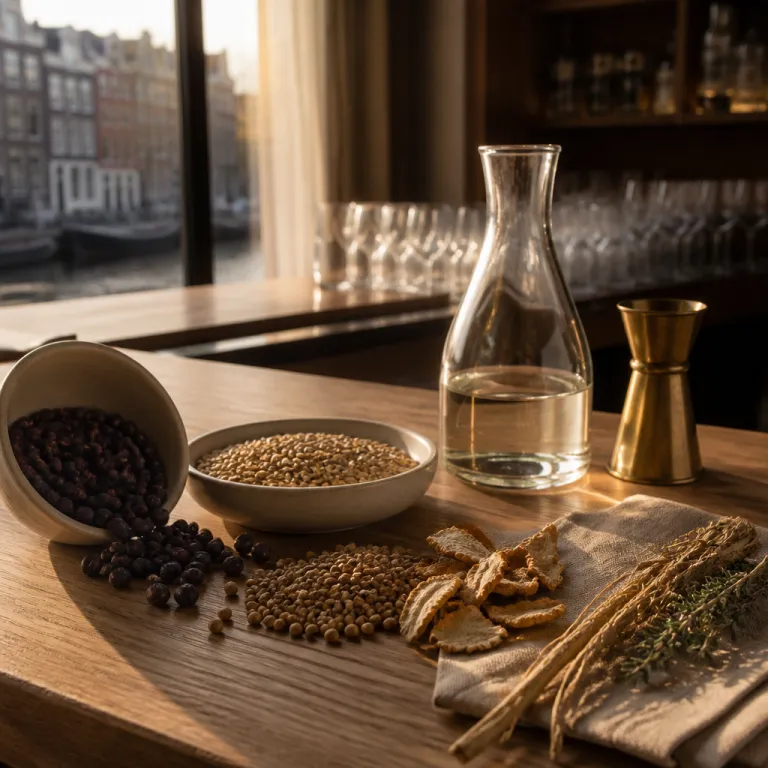
Why jenever, not gin, defines the serious Amsterdam hotel bar
In Amsterdam, the conversation about a serious hotel bar drink starts with history, not garnish. Jenever, or Dutch genever, is the malt-rich ancestor of London dry gin, and the best hotel bars in Amsterdam treat it as a cultural artefact rather than just another clear spirit on a backlit shelf. When you walk into a grand canal house bar, the first image that should matter is a tulip glass filled to the brim with jenever, not a neon-coloured cocktail.
Locals will tell you that Amsterdam’s drinking culture grew around genever long before “gin in Amsterdam” became a tourist tagline. Officially, “What is jenever?” and “How is jenever traditionally served?” are answered simply: “A traditional Dutch juniper-flavoured spirit” and “In a tulip glass, filled to the brim, sipped hands-free.” That ritual still shapes how the best hotel cocktail bars think about service. The kopstootje, a beer chaser next to young jenever, remains the purest expression of Dutch courage, and the most authentic hotel bar menus build from that starting point rather than copying international gin lists.
For luxury travellers choosing between high-end restaurants and bars in Amsterdam, the presence of a dedicated tasting corner or at least a focused selection of young and aged jenever is now a mark of seriousness. You will often find Dutch liqueurs and other spirits from local distilleries such as Van Wees or Zuidam sitting beside imported gin, but well-trained staff will usually steer you toward a jenever tasting flight first. That is where you can enjoy expertly poured spirits, understand the difference between genever and gin, and experience how Dutch drinking customs still anchor the city’s most refined hotel bar programmes.
Historic proeflokalen near Central Station and the hotel bars that learned from them
The soul of jenever in Amsterdam lives in the proeflokalen, the traditional tasting rooms tucked into narrow alleys near Central Station. Wynand Fockink, a historic bar and distillery founded in the seventeenth century, still serves jenever in tulip glasses that are filled until surface tension threatens to spill, and that image has quietly influenced how nearby luxury hotel cocktail bars think about ceremony. A short walk away, Proeflokaal De Ooievaar offers a similar tasting-room intimacy, and many concierges now send guests there before their first hotel jenever cocktail back at the property.
These proeflokalen work almost like living classrooms for hotel bartenders who want to integrate Dutch spirits into modern programmes. Guided tastings explain how jenever aged in wood develops a round, whisky-like depth, while young jenever stays crisp and closer to gin, and that knowledge travels back into the city’s best bar menus. When you later sit in a polished hotel lounge, you may recognise names like Van Wees, Nieuwe Diep or even the historic Drie Fleschjes tasting room from your earlier tasting, and that continuity between street-level proeflokaal and polished hotel bar is what makes Amsterdam’s spirit culture feel coherent.
For travellers who care as much about a glass as a pillow, choosing a property with a bar team that has spent time in these tasting rooms matters more than any design flourish. At Pulitzer Amsterdam, for instance, the Pulitzer’s Bar regularly highlights Dutch genever in its seasonal lists, and staff will often suggest a short jenever tasting before dinner; expect prices for a simple three-spirit flight to start around €15–€20 and opening hours that typically run from late afternoon into the night. Over at the Conservatorium Hotel, the Taiko Bar leans into local distillers in its cocktail programme and usually opens from early evening, with bartenders happy to pour a neat tulip glass of young jenever alongside more elaborate drinks.
From brown café to lobby bar: how hotels translate Dutch jenever rituals
The brown café, or bruine kroeg, remains the spiritual home of jenever in Amsterdam, with dark wood, low lighting and conversation instead of playlists. Many of the best luxury hotel bars now borrow that aesthetic, creating lobby spaces that feel more like a neighbourhood bar than a transient lounge, and the house jenever cocktail becomes a quiet nod to local life rather than a showpiece. You might sit at a marble counter, but the bartender will still pour jenever into a tulip glass without measuring, echoing the brown café ritual.
Some of the most interesting programmes appear in properties that already take breakfast and dining seriously, and a look at how Amsterdam hotels handle breakfast often reveals how they think about overall hospitality. A hotel that sources Dutch liqueurs from a small distillery in Amsterdam Oost or from Diep distillery is usually the same kind of place that will offer a thoughtful jenever tasting in the evening, not just generic gin cocktails. In these spaces, you can enjoy expertly structured flights that move from young jenever to spirit aged in oak, sometimes paired with small bites from the hotel’s restaurants and bars to show how the drink behaves with food.
For solo travellers, this translation of brown café culture into a refined hotel setting is a gift. You can sit at the bar, order a kopstootje with a beer side and a pour of genever, and find yourself in conversation with a bartender who cares about spirits as much as any sommelier. As one Amsterdam bartender quoted in local drinks coverage put it, “If you leave knowing the difference between young and old jenever, we’ve done our job.” That is where a simple order stops being a checklist item and becomes a genuine experience of Dutch daily life, framed by the comfort and calm of a luxury property.
Inside the new generation of hotel bars: from distillery partnerships to in house stills
A quiet revolution is underway in Amsterdam hotel bars, where international gin lists are giving way to hyper-local jenever and Dutch liqueur programmes. Some properties now partner directly with distilleries such as Van Wees or Nieuwe Diep, curating house-labelled bottlings that appear only on their bar menus, and the signature jenever cocktail becomes an expression of that collaboration. Others experiment with on-site infusions or small copper stills used for educational purposes, turning parts of the lobby into working tasting rooms.
Several forthcoming luxury projects have publicly signalled that they will foreground Dutch spirits and jenever traditions in their bar concepts, even if details such as permanent in-house stills or exclusive bottlings are still evolving and have not yet been fully confirmed. Across the city, established five-star properties increasingly offer guided tastings that walk through young jenever, spirit aged in different casks and a selection of Dutch liqueurs, often contrasted with imported gin brands to underline the differences. The approach echoes broader trends in European cocktail bars, where carefully crafted menus now highlight regional spirits and where bartenders enjoy weaving local stories into every pour.
For travellers choosing where to stay, these partnerships and in-house projects are more than marketing. A hotel that invests in a relationship with Diep distillery or another Amsterdam producer is signalling that spirits are part of its cultural mission, not just a revenue stream. When you sit down for a pre-dinner drink before heading to one of the city’s top restaurants and bars, ask about any house jenever, any collaboration with Van Wees or Nieuwe Diep, and any tasting-room-style experiences that can turn a simple order into a deeper education.
How to choose your jenever focused hotel bar in Amsterdam
Choosing the right Amsterdam hotel bar for a serious jenever experience starts with reading between the lines of the drinks list. Look for explicit references to genever, young jenever and spirit aged in wood, not just a token Dutch gin, and check whether Dutch liqueurs and local spirits appear by distillery name. A bar that lists Van Wees, Nieuwe Diep or Diep distillery on the menu is usually more committed to Dutch spirit culture than one that simply offers a single “local gin” alongside international brands.
Location matters too, especially if you want to combine hotel comfort with classic tasting-room visits near Central Station or in Amsterdam Oost. Properties within walking distance of Wynand Fockink, Proeflokaal De Ooievaar or the historic Drie Fleschjes tasting room make it easy to move between old proeflokaal and modern cocktail bar in a single evening. For a broader sense of how a property balances business and leisure, this overview of business hotels in Amsterdam that double as weekend retreats can help you find places where the bar is as thoughtfully run as the rooms.
Finally, pay attention to how the bar communicates beyond the counter. Many of the best cocktail bars now use Facebook and Instagram to share behind-the-scenes images of spirits tastings, new cocktails and collaborations with local distilleries, and those posts often reveal more than any press release. When you see bartenders talking about Dutch courage, showing a beer side next to a tulip glass of jenever and inviting guests to join guided tastings, you know that the drink is part of a living culture rather than a themed night.
FAQ
What is the difference between jenever and gin in Amsterdam hotel bars ?
Jenever in Amsterdam hotel bars is a malt-based spirit with a grainy, almost whisky-like character, while gin is lighter and more focused on juniper and botanicals. In serious cocktail bars, jenever is served both neat in tulip glasses and in drinks that highlight its weight, whereas gin in Amsterdam tends to appear in more classic international recipes. When choosing a jenever-based cocktail, expect a richer texture and a closer link to Dutch drinking traditions than you would get from a standard gin drink.
Where can I experience a traditional jenever ritual near my hotel ?
The most authentic jenever rituals still happen in historic tasting rooms close to Central Station and the old centre. Wynand Fockink, Proeflokaal De Ooievaar and Drie Fleschjes all offer traditional pours, guided tastings and the classic kopstootje with a beer side, and many luxury hotels will happily point you toward these addresses. After visiting a tasting room, you can return to your hotel bar and compare how the bartender interprets the same spirits in a more polished setting.
How should I order jenever in a luxury Amsterdam hotel bar ?
Start by asking the bartender to explain their jenever selection, especially the difference between young spirit and jenever aged in wood. If you are new to the drink, a small tasting flight is ideal, allowing you to enjoy expertly guided sips before committing to a full cocktail. Once you know your preference, you can either drink it neat in a tulip glass, order a kopstootje with a beer side or ask for a mixed drink that showcases the specific genever you enjoyed most.
Are Amsterdam hotel bars good places to learn about Dutch spirits ?
Many of the best luxury hotel bars in Amsterdam now see themselves as gateways to Dutch spirits culture, not just places to serve drinks. They often partner with a distillery such as Van Wees, Nieuwe Diep or Diep distillery, host regular tastings and train staff to explain the history behind jenever and Dutch liqueurs. For travellers who want to understand local drinking traditions without leaving their property, a well-run bar can be as educational as any standalone tasting room.
Do I need to book in advance for jenever tastings in hotel bars ?
For casual single pours or a simple jenever cocktail, you can usually just walk in and sit at the counter. Structured tastings, especially those led by brand ambassadors from a distillery or featuring multiple spirits flights, often require reservations, which your concierge can arrange. If jenever is a priority for your trip, mention it when booking your stay so the hotel can suggest the best nights and times to join organised tastings.