Reading an Amsterdam hotel seafood restaurant menu like a local
Walk into any serious Amsterdam hotel seafood restaurant and the first thing to understand is that “North Sea” on the menu is not a marketing flourish. It signals a tight radius of sourcing where seafood and fish travel from Dutch boats to city kitchens in hours, not days, and where chefs are finally treating herring, sole and turbot with the same respect Paris reserves for oysters. On stay-in-amsterdam.net, the website that curates luxury stays, you can already filter hotels by their proximity to leading seafood restaurants and by how transparently they talk about fish landed in the North Sea.
North Sea seafood on a Dutch menu usually means flatfish like plaice and turbot, line-caught species such as cod and haddock, and shellfish including mussels, oysters and North Sea lobster. In the best restaurants Amsterdam has embraced, these products are prepared in ways that feel both precise and relaxed, with sauces built on Dutch dairy and vegetables rather than heavy cream alone, and with a clear emphasis on sustainable sourcing that goes beyond a logo at the bottom of the card. When you sit down in a hotel restaurant bar, ask where the Amsterdam seafood was landed, which boats caught it and how many different preparations the kitchen can offer for a single species.
Solo travelers using a booking website often underestimate how much a serious seafood restaurant can shape their stay. A hotel with a strong seafood bar and a chef who understands oysters prepared three or four different ways will give you a deeper sense of the city than any canal cruise, especially if the team can explain why one fish from the North Sea is grilled while another is cured. When you choose fish from the menu, look for language about sustainable methods, day boats and specific Dutch ports such as IJmuiden, Scheveningen or Den Helder; this is where an Amsterdam hotel seafood restaurant quietly signals whether it is serious or simply following a trend.
From punchline to benchmark: why hotel kitchens now lead on Dutch seafood
For years, seafood restaurants in Amsterdam lagged behind standalone fine dining rooms, but the balance has shifted as luxury hotels realised that a credible Amsterdam seafood program is now a booking driver. Vertical integration matters here: hotel groups can sign longer chef contracts, invest in modern kitchen equipment and secure direct relationships with local fishermen, which means more consistent fish quality and more freedom to experiment with multiple ways of serving it. If you are mapping out where to stay, guides such as the dedicated overview of Michelin-level dining inside Amsterdam hotels are a useful shortcut to the best seafood restaurants inside five-star properties.
North Sea seafood now appears in cutting-edge form on tasting menus where lobster might be poached in buttermilk, oysters prepared with fermented fennel, and humble fish heads turned into luminous broths. Hotel restaurants Amsterdam wide are also catching up on sustainability, with many kitchens committing to a high percentage of North Sea fish and to avoiding overfished species, which aligns with the growing demand for traceable seafood among international guests. When you read a menu in any seafood restaurant, look for explicit references to sustainable methods, seasonal rotations and collaborations with local suppliers rather than vague mentions of “fresh catch”.
Several actors have helped shift the narrative around Dutch seafood and fish, and their influence is felt in hotel kitchens even when their names are not on the door. Luc Kusters at Bolenius has long treated North Sea fish as a serious canvas, while Fons de Visscher built The Seafood Bar group around the idea that seafood restaurants can be casual yet exacting, and Bobby Rust at Bridges showed how a hotel restaurant can earn critical respect by focusing on seasonal fish. As Bridges’ team likes to put it, “if we name the boat and the fisherman, guests immediately taste the difference.” Their work, combined with the city’s first circular restaurant projects and a new generation of chefs, means that an Amsterdam hotel seafood restaurant is now as likely to set the agenda as any standalone address in De Pijp or on Van Baerlestraat.
What “North Sea” really means on your plate
When a menu in Amsterdam mentions the North Sea, it is pointing to a specific ecosystem rather than a vague northern horizon. Cold, nutrient-rich waters support a wide range of seafood and fish, from delicate sole and robust turbot to mussels, oysters and the small pelagic species that underpin Dutch food culture, and chefs in hotel restaurants are finally treating this as a coherent pantry. On stay-in-amsterdam.net’s guide to Amsterdam hotels with Michelin starred restaurants, you will notice how often North Sea seafood appears in tasting menus, usually framed by local vegetables and dairy rather than imported luxuries.
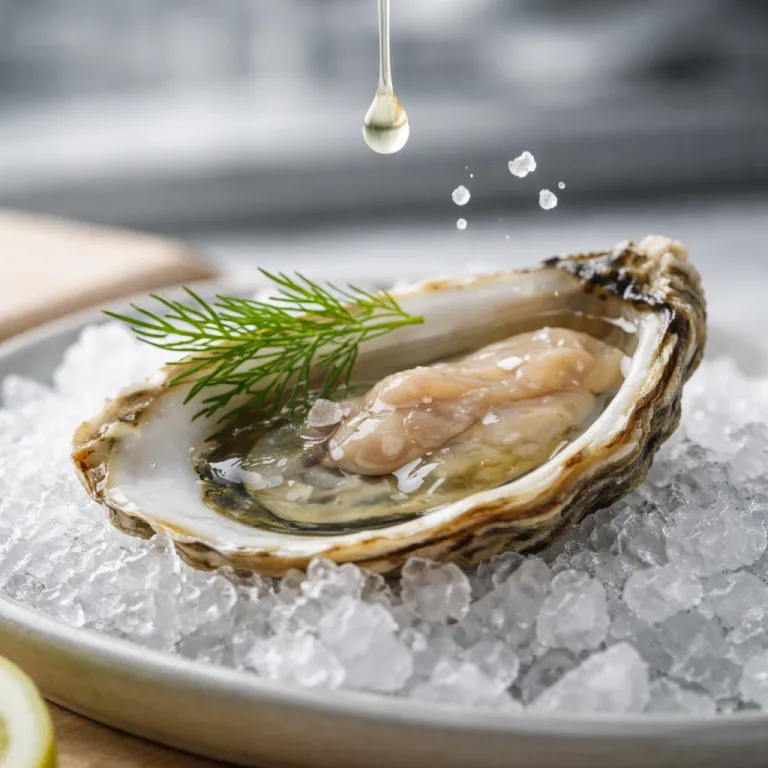
In practice, this means that a single seafood restaurant might offer three expressions of the same species across a meal. You could start with oysters prepared simply on crushed ice with a white wine mignonette, move to a course of grilled fish over charcoal with a beurre blanc built on Dutch butter, and finish with a rich seafood bar style stew that folds in lobster, mussels and smaller pieces of Amsterdam seafood. The best restaurants Amsterdam now hosts are comfortable serving both pristine raw oysters and deeply cooked fish, and they understand that luxury travelers want clarity about where each element comes from.
For solo explorers, this is where the Amsterdam hotel seafood restaurant becomes a lens on the city rather than just a convenient option downstairs. Ask your server which ports the fish came from, whether the lobster is from the North Sea or imported, and how the kitchen balances sustainable sourcing with guest expectations for year-round availability. A serious restaurant or bar team will be able to explain why they choose fish from certain suppliers, how they rotate species across the seasons and which seafood restaurants in Amsterdam they personally rate for a night off service.
Neighbourhoods, hotel dining rooms and where to sit at the bar
Location still shapes how an Amsterdam hotel seafood restaurant feels, even when the sourcing philosophy is shared. Around the Museum Quarter and Van Baerlestraat, grand hotels tend to frame their seafood restaurants as brasseries, with white tablecloths, long wine lists and a seafood bar piled high with oysters and lobster on ice. In De Pijp and the eastern docklands, hotel restaurants on the Amsterdam waterfront lean more casual, with counter seating, open kitchens and menus that encourage you to choose fish by weight, then decide between several cooking methods.
For a solo traveler, the bar is usually the best seat in the house, especially when you want to understand how seriously a restaurant treats its seafood and fish. From a stool overlooking the pass, you can watch chefs portion whole fish, see how carefully oysters prepared for the dining room are shucked and plated, and listen to the quiet choreography between kitchen and floor that separates the best seafood restaurants from the merely competent. This vantage point also makes it easier to ask questions about sustainable sourcing, to compare different Amsterdam seafood dishes and to order half portions across the menu rather than committing to a single large meal.
Some of the most interesting conversations about the North Sea now happen between guests and bartenders rather than at the table. A good hotel bar team will know which seafood restaurant in the property is serving a special of line-caught fish that evening, which white or brut sparkling wines on the list work best with oysters, and which restaurants Amsterdam wide are worth visiting on nights when you want to leave the hotel. When you plan your stay through a booking website, look for properties that highlight their bar programs alongside their seafood restaurants, because this usually signals a more integrated approach to hospitality.
How to read sustainability, wine lists and the fine print
Sustainability has become a default talking point, but in an Amsterdam hotel seafood restaurant the details matter more than the slogans. Menus that simply state “sustainable seafood” without naming fisheries, regions or certifications are telling you less than those that specify North Sea fish, seasonal closures and bycatch policies, and the most serious restaurants Amsterdam offers will happily explain their approach at the table. When you choose fish, ask whether the species is wild or farmed, how often deliveries arrive and whether the kitchen adjusts portion sizes to reduce waste across the meal period.
Wine lists in seafood restaurants have also evolved, moving beyond a narrow focus on white Burgundy and Champagne. Many hotel restaurants in Amsterdam now mix Old World classics with low-intervention bottles from Dutch and Belgian producers, which can be particularly interesting with oysters prepared simply or with raw Amsterdam seafood dishes, and you will often find a dedicated section for sparkling brut wines that pair well with the salinity of the North Sea. A thoughtful sommelier will suggest different glasses as you move from lighter seafood bar snacks to richer plates of lobster or deeply cooked fish, and this progression can turn a straightforward dinner into a quietly ambitious tasting.
For travelers booking through a website, the fine print around dining can be as revealing as the room descriptions. Look for packages that include a set menu in the seafood restaurant, options to dine at the bar rather than only in the main room, and clear language about how the kitchen handles dietary restrictions without compromising the integrity of seafood and fish dishes. When a property is proud enough of its Amsterdam hotel seafood restaurant to build stays around it, that is usually a reliable sign that the North Sea is more than a passing theme.
Hotel meals worth planning your Amsterdam stay around
Some hotel dining rooms in Amsterdam now merit a reservation even if you are sleeping elsewhere, and they are reshaping how travelers think about seafood restaurants in the city. Properties that treat their Amsterdam hotel seafood restaurant as a flagship rather than an amenity tend to invest in strong kitchen équipes, direct relationships with North Sea suppliers and wine programs that respect both white classics and more adventurous brut sparkling options. When you plan your itinerary, it can make sense to anchor at least one evening around a seafood bar experience and then build museum visits or canal walks around it.
On stay-in-amsterdam.net, the most useful itineraries often pair business-friendly properties with serious seafood restaurants that double as weekend retreats. Articles on business hotels that work as weekend bases highlight addresses where you can move from a meeting to a bar stool overlooking the open kitchen, order oysters prepared three ways and then finish with a small plate of lobster or grilled fish without ever leaving the building. This kind of integration is particularly valuable for solo travelers who want high-level Amsterdam seafood without the formality of a traditional dining room.
When you evaluate options on any booking website, pay attention to how the property photographs its seafood restaurant and bar. Images that show a working seafood bar with ice piled high, chefs portioning fish and guests actually eating rather than posing usually indicate a restaurant that takes its role seriously, and reviews that mention specific dishes or cooking styles for North Sea species are more useful than generic praise. In a city where numerous seafood restaurants compete for attention, choosing a hotel where the kitchen is genuinely engaged with the North Sea can quietly transform your stay.
Key figures behind Amsterdam’s hotel seafood shift
- Recent local food guides suggest that Amsterdam now counts dozens of dedicated seafood restaurants, a critical mass that has pushed hotel kitchens to compete with standalone venues for seafood and fish focused travelers.
- Industry reports from organisations such as the Dutch Culinary Association indicate that a majority of seafood dishes on leading Amsterdam menus now feature North Sea fish, reflecting a strong shift toward local sourcing and shorter supply chains.
- Hotel and independent restaurants working closely with local fishermen and sustainable seafood suppliers consistently report higher guest satisfaction scores, especially among international visitors who prioritise traceable Amsterdam seafood and clear sustainability messaging.
- The growth of seafood bar concepts inside hotels has paralleled the rise of low-intervention European wines, with many lists now dedicating a significant share of their white and brut sparkling selections to pair with oysters and other shellfish.
FAQ about Amsterdam hotel seafood restaurants
Which Amsterdam hotels serve serious North Sea seafood?
Several high-end properties in Amsterdam now operate seafood restaurants that focus on North Sea fish, often in partnership with local fishermen and sustainable suppliers. Hotels like Okura and The Grand feature seafood-focused restaurants, and many newer openings in areas such as De Pijp and around Van Baerlestraat have followed their lead. When in doubt, check whether the menu highlights specific North Sea fish and seasonal shellfish rather than generic “seafood platters”.
Is the seafood in Amsterdam hotel restaurants sustainably sourced?
Many hotel restaurants in Amsterdam now prioritise sustainable seafood sourcing from the North Sea, working with certified suppliers and adjusting menus to follow seasonal availability. You can usually see this in the way they describe fish, in references to particular fisheries and in the balance between wild and responsibly farmed species. If sustainability is a priority for you, ask staff to explain their approach before you book a table.
Do I need reservations for seafood restaurants in Amsterdam hotels?
Reservations are strongly recommended for popular seafood restaurants in Amsterdam, especially those inside luxury hotels where both guests and locals compete for tables. Peak nights often book out several days in advance, and bar seating at the seafood counter can also fill quickly when the kitchen is known for its oysters and lobster dishes. Booking through the hotel website or concierge usually gives you the best chance of securing a preferred time.
What should I look for on a menu to judge quality?
High-quality Amsterdam seafood restaurants tend to name specific species, fishing areas and sometimes even boats, rather than listing generic “fish of the day”. Menus that offer multiple preparations of the same North Sea fish, from raw to grilled to poached, usually indicate a confident kitchen, as do clear notes about sustainable sourcing. Wine lists that thoughtfully pair white and brut sparkling options with oysters and shellfish are another positive sign.
How can solo travelers get the most from hotel seafood restaurants?
Solo travelers often have the best experience by sitting at the bar or seafood counter, where interaction with chefs and bartenders is more natural. This makes it easier to ask about different Amsterdam seafood dishes, to order smaller plates across the menu and to learn which other seafood restaurants Amsterdam locals rate highly. Many hotels are happy to design a shorter tasting around North Sea fish for solo guests if you ask in advance.