Hotel Okura Amsterdam review: a quiet giant in Zuid
Hotel Okura Amsterdam sits just off Ferdinand Bolstraat, a short walk from De Pijp’s cafés and the Amstel river. This is not an Amsterdam hotel that trades on postcard canals and gabled nostalgia; instead, the tower rises 78 metres with clear city views over the south and the historic centre. For travellers comparing every high-end option in the city, this Hotel Okura Amsterdam review starts with one truth: the property has helped shape how Amsterdam thinks about service, cuisine and understated glamour.
The hotel opened in 1971 as the first European outpost of the Okura group, bringing a distinctly Japanese approach to hospitality into the Dutch capital. That Japanese philosophy, often summarised as omotenashi, runs through every stay, from the way staff anticipate a family arrival to how the concierge handles complex business itineraries. While details such as restaurant ratings can change over time, the core idea of attentive, unobtrusive care remains the defining thread of the experience.
Architects G.H.M. Holt and Yoshiro Taniguchi combined clean modernist lines with warm materials, creating a luxury landmark that still feels contemporary. The choice of Amsterdam-Zuid as a base was deliberate; the district offers space, residential calm and easy access to the Zuidas business area, the Museumplein and Schiphol Airport. By taxi, Schiphol is typically 15–25 minutes away depending on traffic, while the RAI convention centre can be reached in around 10 minutes or a short tram or metro ride. For many repeat guests, this Okura Amsterdam address has become the ideal compromise between central convenience and the ability to retreat from the crowds after meetings or a long scavenger hunt with children through De Pijp’s markets.
Rooms and suites are spread across 23 floors, with the higher categories delivering some of the most expansive city views in Amsterdam. Entry-level rooms feel quietly efficient, while the larger suite options introduce separate living areas that work well for a family stay or a longer business trip. Across all categories, the consistent thread is precision: lighting, bedding and storage are all designed to support both work and rest without visual noise.
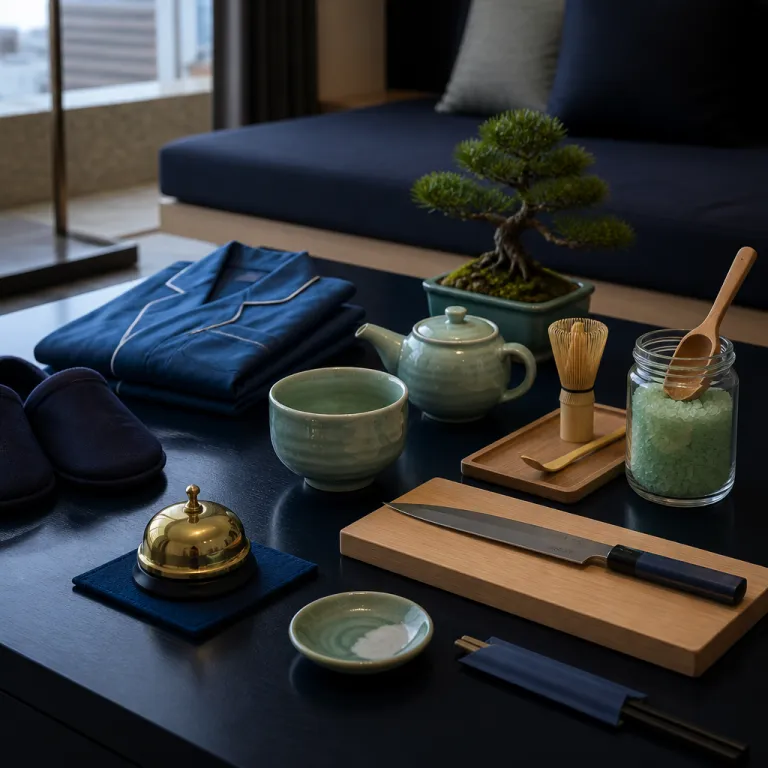
Bathrooms lean into stone, glass and chrome, with deep tubs and powerful showers that feel closer to a private spa than a standard Amsterdam hotel. Many rooms and suites include Japanese-style toilets and thoughtful touches such as yukata-style robes, a subtle nod to authentic Japanese culture without turning the space into a theme. Guests who prioritise wellness will appreciate that even standard categories sit only a short elevator ride from the indoor pool and the Nagomi Spa facilities.
From a value perspective, this is not the cheapest hotel in the city, but the proposition is clear: you are paying for consistent service, serious culinary ambition and a sense of calm that newer competitors still chase. Typical nightly rates for standard rooms often start in the mid to high €300s and rise significantly for suites and peak dates, though prices fluctuate with demand. When benchmarked against other luxury addresses in Amsterdam-Zuid, rates are often competitive, especially outside major events. For travellers who see their stay as part of the overall Amsterdam experience rather than just a place to sleep, that balance can feel like the perfect equation.
Ciel Bleu, Yamazato, Sazanka: a vertical empire of cuisine
No honest Hotel Okura Amsterdam review can ignore the tower’s culinary gravity; this is where Amsterdam’s fine dining scene learned to think vertically. On the 23rd floor, Ciel Bleu restaurant has long held two Michelin stars and remains one of the city’s most coveted reservations. Floor-to-ceiling windows frame sweeping city views, while the cuisine blends European technique with Japanese precision in a way that feels both confident and quietly theatrical. As with any awards, star status can evolve, so it is worth checking the latest Michelin guide when planning a visit.
Downstairs, Yamazato offers authentic Japanese kaiseki, and it has been widely recognised as the only traditional Japanese restaurant of this calibre in Amsterdam with a Michelin star. Tatami rooms, lacquered bento boxes and seasonal menus turn dinner into a cultural experience rather than just another hotel restaurant meal. For guests comparing restaurants across the city, Yamazato and Ciel Bleu together make Hotel Okura a self-contained dining destination, not just an Amsterdam hotel with a good kitchen.
Next door, Sazanka Teppanyaki brings a different energy, with chefs working the grill in front of guests, creating a more interactive experience that still respects the Japanese focus on detail. Sazanka Teppanyaki has also been recognised by Michelin in the past, and while it does not carry the same number of stars as Ciel Bleu or Yamazato, it broadens the hotel’s appeal to diners who prefer theatre with their cuisine. Between Yamazato, Sazanka Teppanyaki and the casual options, this Okura Amsterdam address offers restaurants for almost every mood, from celebratory tasting menus to relaxed family dinners.
On the ground floor, Serre restaurant has long been the hotel’s more relaxed option, with a terrace that catches soft light and partial canal views when the weather cooperates. Serre previously held a Bib Gourmand distinction, and even without current Bib status, the kitchen still focuses on precise plates and a strong wine list. If you are planning a progressive evening, a common strategy is to start with drinks and small plates at Serre before moving upstairs for a tasting menu at Ciel Bleu or a kaiseki sequence at Yamazato.
Breakfast, served in one of the main restaurants, reflects the hotel’s dual identity; you will find both Western classics and Japanese options such as miso soup, grilled fish and rice. For many guests, starting the day with authentic Japanese flavours while looking out over the city sets a different tone from the usual buffet. That ability to move between cultures at the table is one of the clearest examples of how the property still defines modern luxury for serious diners.
For context on how long-running properties shape the city’s hospitality culture, compare this vertical dining cluster with the story of another stalwart in a different neighbourhood, explored in this feature on the WestCord Art Hotel’s quarter century of hospitality. Where that hotel leans into art and neighbourhood character, Hotel Okura leans into gastronomy, Michelin recognition and the discipline of Japanese service. Both approaches show how an Amsterdam hotel can anchor its area, but Okura’s restaurants remain a benchmark that many newer openings quietly measure themselves against.
Nagomi Spa, pools and wellness: Japanese calm in Amsterdam-Zuid
Wellness at Hotel Okura Amsterdam centres on Nagomi Spa, a serene space that blends Western spa rituals with Japanese onsen philosophy. The main swimming pool stretches to 20 metres, long enough for serious laps yet calm enough for a relaxed family splash between museum visits. Soft lighting, warm stone and a hushed atmosphere make this indoor pool feel more like a private club than a typical city hotel facility.
Beyond the swimming pool, Nagomi Spa offers treatment rooms, a sauna and relaxation areas where tea is served with the same care you see in the restaurants. Therapists draw on both European and Japanese techniques, and while the menu evolves, the focus remains on restorative massages and facials rather than gimmicks. For many guests, especially those arriving from long-haul flights, a session at Nagomi Spa on the first evening transforms the entire stay, resetting sleep patterns and easing jet lag before meetings or sightseeing.
The fitness area, adjacent to the indoor pool, is compact but well equipped, with enough machines and free weights to support a proper workout. Large windows bring in daylight and partial city views, reminding you that you are still in Amsterdam even as the atmosphere feels cocooned. Here, the wellness offering stands out not for sheer size but for how it integrates into daily life; you can move from a morning run along the Amstel to a steam, swim and Japanese breakfast without ever feeling rushed.
Families often worry that a luxury spa environment will not welcome children, yet staff here manage the balance with typical Japanese courtesy. There are dedicated times when the indoor pool is more family friendly, and outside those windows the space returns to quiet for adults who value tranquillity in their wellness routine. If you are planning a multi-generational stay, it is worth speaking with the hotel in advance so your family can enjoy both Nagomi Spa and the main swimming pool at the most suitable times.
Compared with some newer competitors that emphasise flashy design over function, Nagomi Spa feels almost understated, but that is precisely its strength. The focus is on how you feel after a treatment or a long swim, not on how the space photographs for social media. For travellers who see wellness as an integral part of their Amsterdam experience rather than an afterthought, this calm corner of the hotel may be the deciding factor in choosing this property over a more central option near De Wallen, where you might instead opt for one of the elegant hotels in the old town.
It is also worth noting that the Japanese influence extends beyond treatments into small rituals; warm towels, herbal teas and quiet check-in moments all echo omotenashi. These details, repeated consistently across many stays, build trust and loyalty in a way that glossy marketing never can. That long-term relationship with guests is one of the clearest signs that the property still sets a standard others in the city quietly chase.
Rooms, suites and service: omotenashi in a European city
Guestrooms at Hotel Okura Amsterdam range from efficient doubles to expansive suites, all designed with a restrained palette that lets the views and textures do the talking. Higher floors deliver some of the most compelling city views in Amsterdam, stretching from the Zuidas towers to the historic centre and, on clear days, even towards the port. For many travellers, the sweet spot is a mid to high floor suite that balances space, outlook and value.
Each suite typically includes a separate living area, generous desk and well-considered storage, making it ideal for a business traveller extending into leisure or a small family. Rooms and suites often feature subtle Japanese touches such as sliding panels, low-profile furniture and carefully curated lighting that shifts from work-bright to evening-soft. The effect is quietly residential rather than ostentatious luxury, which suits the Amsterdam-Zuid neighbourhood’s understated wealth.
Service is where the Okura Amsterdam philosophy becomes most visible, and it is here that omotenashi moves from concept to daily practice. Staff remember preferences across stays, whether that is a particular pillow type, a favourite table in Serre or a request for specific Japanese breakfast items. That memory and anticipation of needs is what separates the property from many other Amsterdam hotel options that still operate on more transactional lines.
Families are handled with the same precision, from baby cots and connecting rooms to thoughtful touches like children’s amenities and flexible dining times. The concierge team is adept at crafting itineraries that balance culture and play, whether that means a scavenger hunt through the Rijksmuseum’s galleries or a bike ride along quieter canals. For parents who value both structure and spontaneity, this level of support can turn a complex city break into a genuinely relaxing stay.
Business travellers, meanwhile, benefit from efficient check-in, reliable technology and meeting spaces that feel professional without being sterile. The location near the RAI convention centre and Zuidas means transfers are short, while the calm residential surroundings support focus between sessions. When meetings end, the ability to move seamlessly from a boardroom to Ciel Bleu, Yamazato or Sazanka Teppanyaki for client dinners reinforces the hotel’s reputation as a serious address for corporate hospitality.
Compared with newer entrants such as Mandarin Oriental or Rosewood, Hotel Okura may not shout as loudly in design terms, but it often wins on consistency and depth of experience. Where some competitors are still building their local teams and routines, Okura’s Japanese and Dutch équipe has refined its service choreography over decades. For discerning travellers, that maturity is a compelling argument in favour of choosing a property that has already solved the small problems you have not yet thought to mention.
How Okura reshaped Amsterdam’s luxury landscape
When Hotel Okura Amsterdam opened, it introduced a new way of thinking about luxury in the city, one that prioritised precision, gastronomy and cultural exchange over chandeliers and marble. The decision to anchor the property in Amsterdam-Zuid rather than the medieval core signalled confidence that travellers would value space, calm and easy access to both business and leisure districts. Over time, this location strategy has proven prescient, as the area evolved into a hub for embassies, corporate headquarters and high-end residential streets.
The hotel’s cluster of Michelin stars at Ciel Bleu and Yamazato, combined with the former Bib Gourmand status at Serre, effectively turned a single tower into a vertical food district. This concentration of cuisine raised expectations for what an Amsterdam hotel restaurant could be, encouraging other properties to invest in serious chefs rather than relying on generic menus. In many ways, the stars-and-Bib narrative at Okura paved the way for the current wave of hotel dining rooms that treat North Sea produce and Japanese techniques with equal respect.
Okura’s influence also extends to how Amsterdam understands Japanese culture, from authentic tea ceremonies and kaiseki menus to the quiet rituals at Nagomi Spa. For many locals and visitors, their first encounter with Japanese hospitality, or even with words like omotenashi, happened within these walls rather than in Tokyo or Kyoto. Any Hotel Okura Amsterdam review would be incomplete without acknowledging that cultural bridge, which has helped normalise everything from Japanese breakfast options to teppanyaki celebrations for Dutch family gatherings.
As new luxury brands arrive, the competitive field has never been stronger, yet Okura’s response has been to refine rather than reinvent. Investments in rooms and suites, technology and wellness have been incremental but thoughtful, preserving the hotel’s core identity while keeping pace with contemporary expectations. For travellers, that means the Okura Amsterdam of today feels both reassuringly familiar and quietly updated, a rare balance in a market where many properties swing between nostalgia and trend chasing.
Looking ahead, the hotel’s challenge will be to maintain its role as a benchmark while younger guests bring different definitions of luxury, from sustainability metrics to digital convenience. Early signs are encouraging; the property has been integrating more local partnerships, from neighbourhood cafés to cultural institutions, into its concierge recommendations. For readers using this Hotel Okura Amsterdam review to plan a stay, a practical tip is to book popular restaurants and spa treatments well in advance, especially around major trade fairs and summer weekends.
What remains constant is the sense that other hotels still measure themselves against this quiet giant, whether they admit it or not. From the way a new restaurant chases its first Michelin stars to how a spa designs its treatment flow, echoes of Nagomi Spa, Ciel Bleu and Yamazato or Sazanka can be felt across town. In a city where hospitality trends shift with the canals’ reflections, Hotel Okura continues to define a standard that others, even the most confident newcomers, are still learning to match.
FAQ
What is Hotel Okura Amsterdam best known for ?
Hotel Okura Amsterdam is best known for its blend of Japanese hospitality and Dutch design, expressed through meticulous service and calm, contemporary interiors. It also stands out for its exceptional dining, with Ciel Bleu and Yamazato long associated with Michelin stars and Sazanka Teppanyaki offering a celebrated grill experience. Together with Nagomi Spa and the indoor pool, these elements make the hotel a reference point for luxury stays in Amsterdam.
Where is Hotel Okura Amsterdam located in the city ?
The hotel is located in Amsterdam-Zuid, close to the De Pijp district and the RAI convention centre. Its address on Ferdinand Bolstraat places it within easy reach of the Museumplein, the Zuidas business district and Schiphol Airport by taxi or public transport. This location choice offers a quieter residential atmosphere than the historic centre while keeping major sights accessible; allow roughly 15–25 minutes to reach Schiphol and around 10 minutes to reach RAI under normal conditions.
Does Hotel Okura Amsterdam have Michelin starred restaurants ?
Yes, Hotel Okura Amsterdam hosts multiple Michelin-recognised restaurants within the same tower. Ciel Bleu on the 23rd floor has held two Michelin stars for many years, while Yamazato has one Michelin star for its authentic Japanese kaiseki cuisine. Sazanka Teppanyaki is also highly regarded, and Serre has previously been awarded a Bib Gourmand, underlining the hotel’s long-standing culinary reputation. As ratings can change, it is sensible to confirm the latest status before you book.
Is Hotel Okura Amsterdam suitable for families ?
The hotel is well suited to families who appreciate structured service and space. Larger rooms and suites and interconnecting configurations work for parents travelling with children, while the indoor pool provides a welcome break between museum visits. The concierge can arrange family-friendly activities, from canal cruises to museum scavenger hunts, making it easier to balance culture and play. When reserving, it helps to mention ages and sleeping preferences so the team can suggest the most practical room types.
What wellness facilities does Hotel Okura Amsterdam offer ?
Wellness at the hotel centres on Nagomi Spa, which combines Western treatments with Japanese onsen-inspired philosophy. Guests have access to a 20-metre indoor pool, sauna, relaxation areas and a well-equipped fitness room with natural light and partial city views. Treatments focus on restorative massages and facials, making the spa a strong draw for long-haul travellers and business guests seeking recovery during their stay. Advance reservations for popular time slots are recommended, particularly on weekends and during major events.